Last updated November 23, 2026
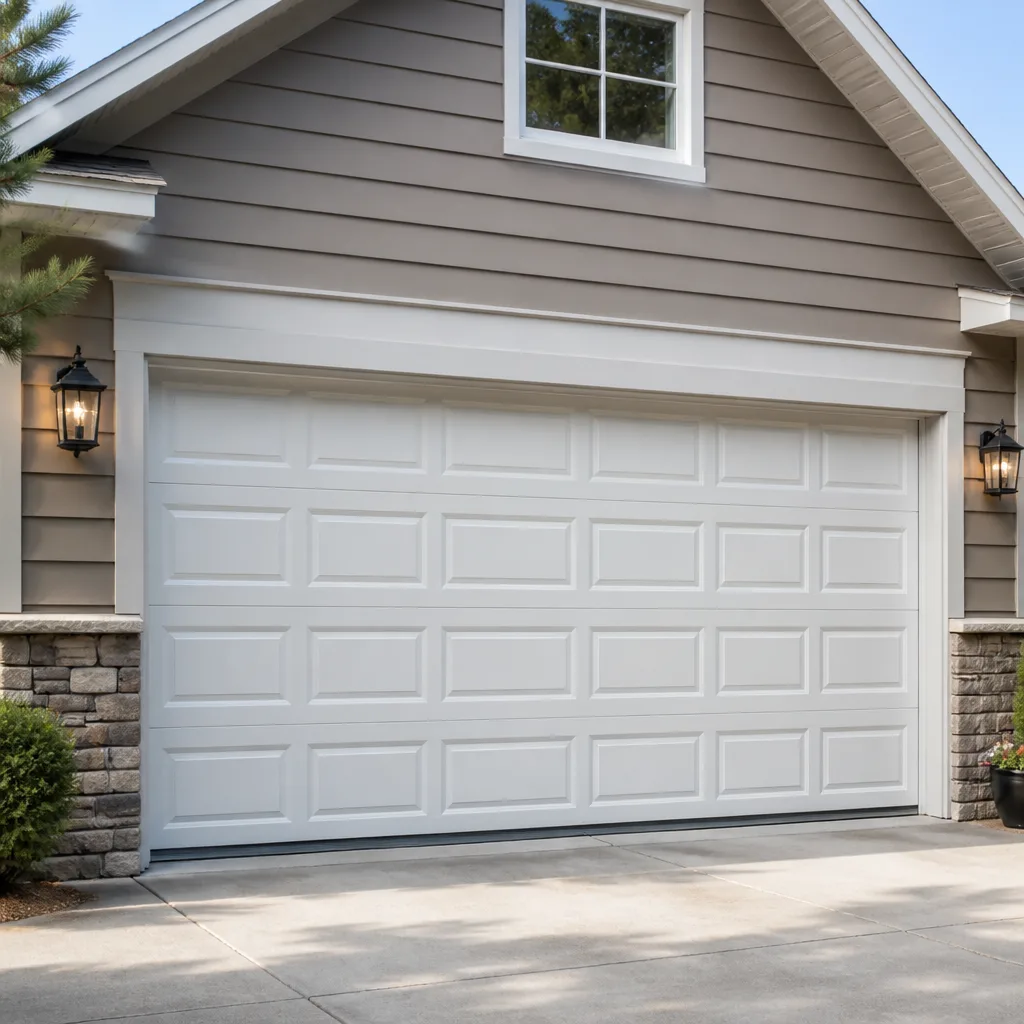 Raised-panel steel
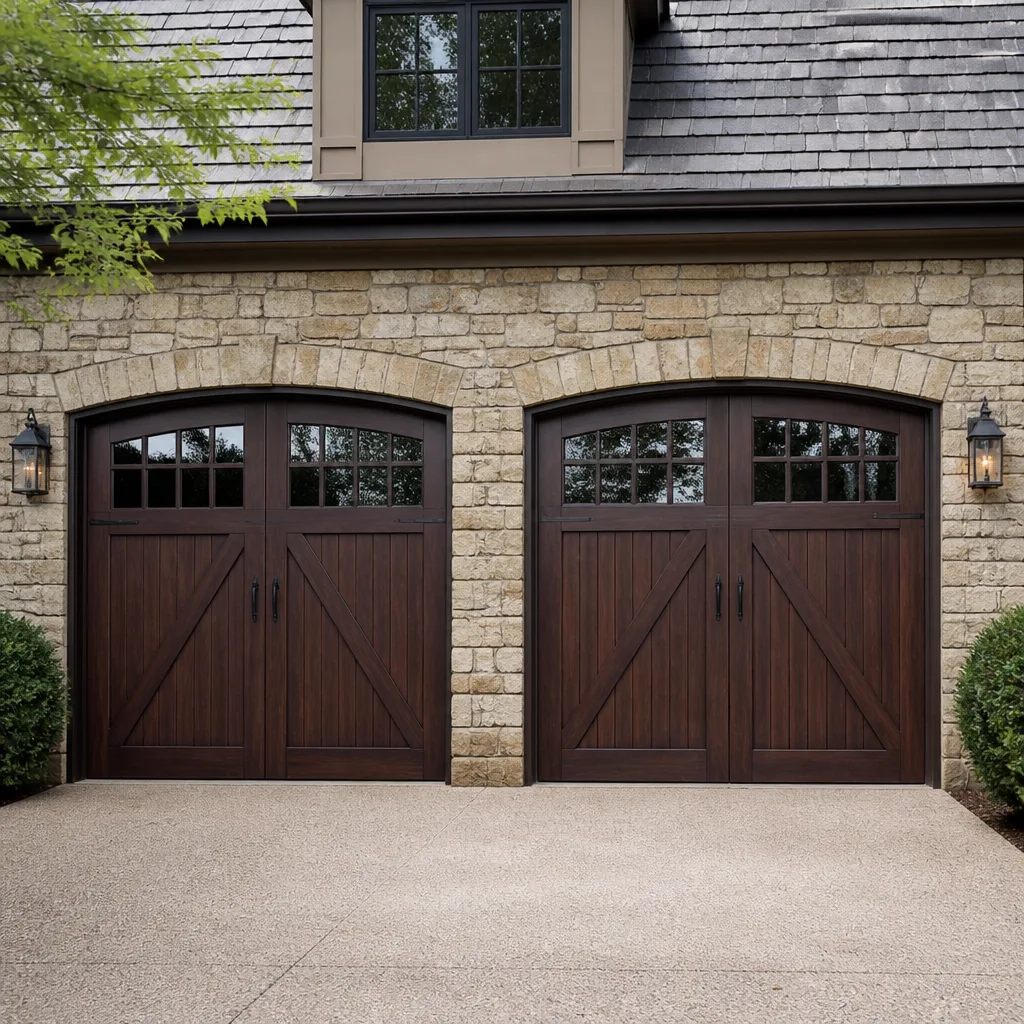 Carriage house
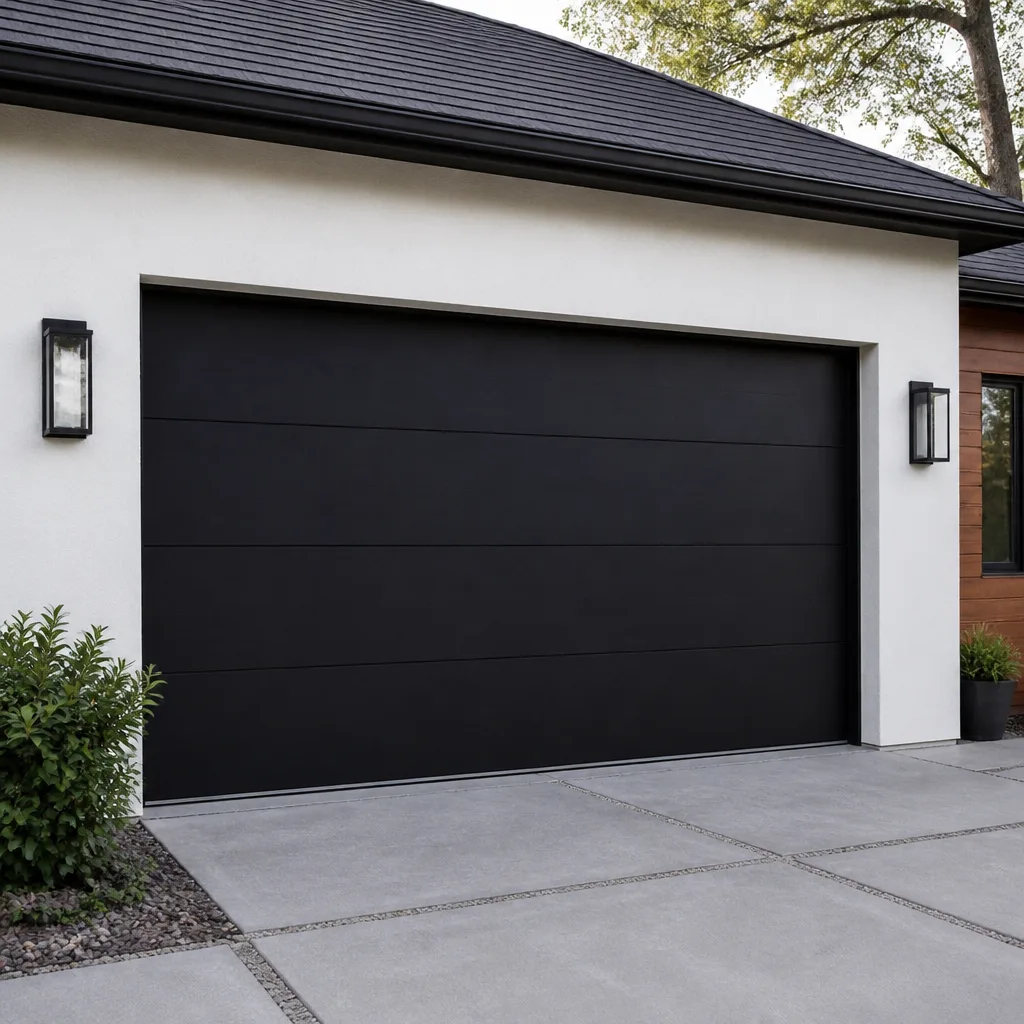 Modern flush
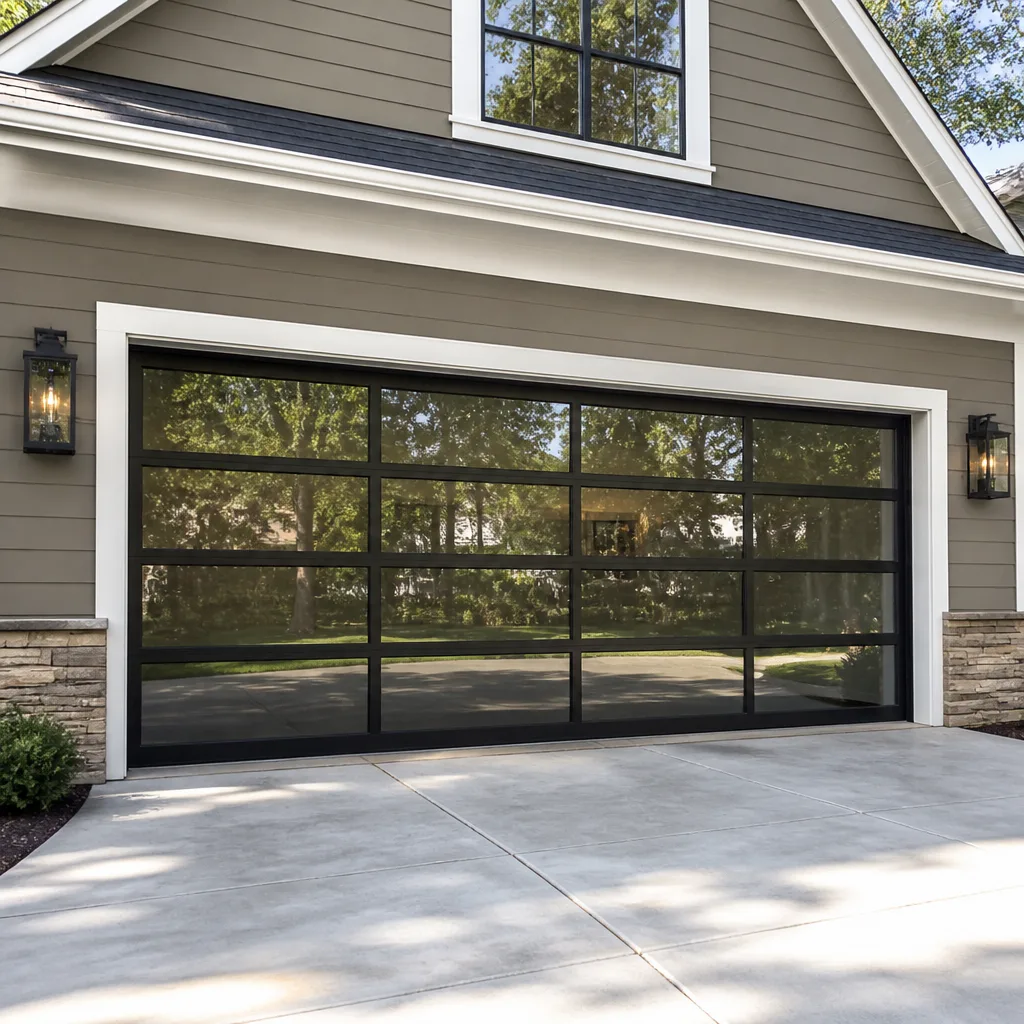 Full-view glass
 LiftMaster openers
 Chamberlain openers
Full 25-point door and opener safety check with every visit - springs, cables, rollers, tracks, and your LiftMaster or Chamberlain opener included
You get a price before we start. It does not change when the pro arrives.
Get your free estimateGarage Door Permits, Codes & Inspections in Stonecrest, GA: What You Need to Know
Georgia doesn’t require a permit for a like-for-like garage door replacement. Most Stonecrest homeowners hear that and stop listening. But “like-for-like” has a legal definition, and it’s narrower than most people assume. Change the door’s size, cut a new opening, or wire in a new automatic opener where none existed, and you’ve crossed from maintenance into construction work that a city inspector expects to see on paper. Add Stonecrest’s position inside DeKalb County with its own municipal layer on top, and the jurisdiction question alone confuses plenty of contractors. This guide walks through when a garage door permit in Stonecrest, GA is required, when it isn’t, what the inspection actually checks, and how to keep unpermitted work from becoming a problem at resale or claim time.
Quick Answer
In Stonecrest, GA, a straight replacement of your existing garage door with a same-size door of similar weight generally doesn’t require a building permit. Work that changes the opening, adds a new one, alters the structural framing, or adds electrical circuits for a new opener usually does. When in doubt, call the City of Stonecrest’s building department and DeKalb County before work starts, and confirm the answer in writing. The written estimate you get from your installer should state clearly whether permit costs are included.
Styles & brands we work with
- Raised-panel steel
- Carriage house
- Modern flush
- Full-view glass
- LiftMaster openers
- Chamberlain openers
Table of Contents
- When does a garage door project need a permit in Stonecrest?
- Why Stonecrest’s DeKalb County location matters
- The four changes that trigger a permit
- Wind load and energy code requirements for Georgia garage doors
- How unpermitted garage door work affects insurance claims
- The practical permit process step by step
- What a garage door inspection actually checks
- What buyers and appraisers look for at resale
When does a garage door project need a permit in Stonecrest?
Georgia’s residential code treats a garage door replacement as ordinary maintenance when the new door matches the old one in size, weight class, and operation. Swapping a worn-out 16-foot steel door for another 16-foot steel door on the same tracks, with the same springs rated for the same door, is the classic like-for-like case. No permit. No structural change. The work is classified as repair, and repair is what garage door repair covers in the ordinary sense.
The picture changes once any part of that equation shifts. Here’s the general rule most building departments in Georgia apply:
- Same door, same size, same operation: typically no permit.
- Same opening, different door size or weight: often requires a permit because the spring and track loading changes.
- New opening cut into a wall: permit almost always required, because it’s a structural modification.
- Adding an automatic opener to a manual door: usually requires an electrical permit for the new circuit and outlet.
- Replacing a manual door with an overhead sectional door: permit likely required, because the door changes the load path and the track system.
None of that is universal across every Georgia jurisdiction. Stonecrest is a relatively new city, and its permitting relationships with DeKalb County are worth understanding before you assume anything. The safest move is always to call the city’s building department with the specific work scope. Ask them, “Does replacing an existing 16-foot door with a 16-foot door of the same weight require a permit?” You’ll get a yes or no quickly, and that answer settles it.
If the work you’re planning is a straight replacement with an identical-size door, you’re likely in the no-permit category. If you’re changing anything about the opening, the door’s dimensions, or the electrical system, assume you need one until the city tells you otherwise.
Why Stonecrest’s DeKalb County location matters
Stonecrest incorporated as its own city inside DeKalb County, which means two government layers can have a say in the same project. Depending on the address and the work type, permitting may run through the City of Stonecrest’s building department or through DeKalb County’s permitting system. Not every contractor you call will know which one applies to your property.
Here’s what you should understand before you pick up the phone:
- Municipal jurisdiction: Once a city incorporates, it typically assumes its own permitting for new construction, additions, and structural work within its boundaries. Stonecrest follows that pattern for most residential projects.
- County coordination: Certain inspections, utility connections, and code enforcement functions can still flow through DeKalb County, particularly for work that touches county-maintained infrastructure.
- Address-specific answers: The only way to know which jurisdiction handles your specific address is to call the city building department and give them the property address and the work scope.
This dual-layer setup creates a quiet risk. A contractor who pulls the wrong jurisdiction’s permit can end up with an inspection that the other entity never records. At resale time, the buyer’s title company or appraiser requests the permit record from whichever authority holds it, and if it’s not there, the work is treated as unpermitted. That can trigger re-inspection, corrections, or a credit at closing.
We’ve seen this exact scenario play out in Stonecrest more than once. The fix is simple: ask your contractor which jurisdiction will pull the permit, and then verify with that jurisdiction directly that a permit exists under your address. The call takes five minutes. Your future sale depends on it.
The four changes that trigger a permit
In our experience, the confusion around garage door permits comes down to four specific changes. Any one of them moves a project out of the like-for-like category. Here’s each one with the practical detail that matters:
- Size change: A single door replaced by a wider door, a double door replaced by two singles, or a door taller than the original. Size changes alter the header load and the spring rating, which the code treats as structural work. Permit required in almost every Georgia jurisdiction.
- New opening: Cutting a new garage door into an exterior wall that didn’t have one before. This requires a framing plan, header sizing, and a building permit. It’s a construction project, not a replacement.
- Conversion from manual to automatic: Adding an automatic opener to a door that was previously manual requires a new electrical circuit at the opener location. If a licensed electrician isn’t already on the job, the electrical permit runs through whoever wires the circuit.
- Changing from tilt-up to sectional: A one-piece tilt-up door and a sectional door distribute load differently on the walls and header. Converting from one type to the other usually requires a permit because the track system and load path change.
Two more changes that catch homeowners by surprise are worth mentioning. Replacing a door with one substantially heavier than the original (steel for wood, insulated for uninsulated) can trigger a permit in some jurisdictions because the spring and anchor requirements change. And converting a garage into living space, which involves filling the door opening and adding a wall, is always a permit job because the entire assembly changes function.
The rule of thumb: if the work changes the size of the opening, the weight on the header, or the electrical system, assume a permit is required. If it’s the exact same door in the same opening with the same hardware rating, you’re probably in the clear. Confirm with the city either way.
Wind load and energy code requirements for Georgia garage doors
Garage doors in Stonecrest face two code considerations that a plain replacement isn’t exempt from: wind load and energy code compliance. Both apply to the assembly regardless of permit status, and both matter for your home’s insurance and efficiency.
Wind load. Georgia’s residential code requires exterior doors, including garage doors, to meet a design pressure rating based on the home’s location and exposure category. Garage doors are large sails, and a door rated for a lower design pressure than the home requires can fail earlier in a wind event. When you replace a door, the new door should meet or exceed the wind rating specified for your property. Your contractor can look up the design pressure on the permit documents or in the original construction plans, or confirm with the city building department. If your neighborhood has specific design pressures on file, the replacement has to match them.
Energy code. Georgia’s current residential energy code addresses the thermal performance of the opaque door assembly for conditioned or semi-conditioned garages, and the door’s U-factor matters if the garage is inside the building envelope. For most attached garages in Stonecrest, an insulated door (Clopay and Amarr both make insulated lines) meets the baseline more easily than an uninsulated one. The code requirement is on the assembly, not on the door type, so a well-sealed door with a reasonable insulation value can pass, while a plain steel door can require a variance or a note on the permit. In practice, the door’s R-value and air sealing at the perimeter are what the code inspector looks at.
Neither of these requirements changes whether a permit is required. They change what a compliant replacement looks like. A door that meets the code’s wind rating and energy performance strips out two future problems at once: an inspection failure and an insurance question. Insulated doors from Clopay and Amarr are common replacements in the Stonecrest market for this reason, though we service all major brand systems including LiftMaster and Chamberlain openers regardless of which door brands you choose.
How unpermitted garage door work affects insurance claims
This is where the stakes get real. Homeowner’s insurance policies generally cover sudden and accidental damage from covered perils, and they also carry exclusions for work that wasn’t built, installed, or maintained to code or without required permits. If a garage door fails and causes damage to your home, your insurer will usually ask two questions: was the work permitted if it required a permit, and was the work performed to code.
An unpermitted garage door replacement that required a permit, or work that doesn’t meet the wind rating or energy code, can turn a covered claim into a contested one. The policy language varies by insurer, but the pattern is common enough that most adjusters know to ask. This is not a hypothetical. We’ve seen claims get delayed while the homeowner tracked down permit records that didn’t exist.
The insurance angle cuts in two directions:
- Damage from a failed door or opener: If the failing component was installed without the required permit, the insurer can dispute coverage for the resulting damage to the home’s structure or interior.
- Liability for a door that harms someone: If a door fails and injures a person or damages a neighbor’s property, the liability picture gets worse when the installation wasn’t permitted. Most homeowner policies expect code-compliant work, and unpermitted work complicates the defense.
There’s also the resale problem. Every buyer’s title company and most mortgage lenders request permit history for structural and electrical work on the property. A garage door replacement that should have been permitted and wasn’t shows up as an open item, which can delay a closing or trigger a requirement that the seller pull a permit retrospectively and have the work inspected. Retroactive permits are possible but not cheap or quick.
The simplest protection: know whether your project needs a permit before work starts, and if it does, keep the signed permit and the inspection card with your home records. If a claim or sale comes up years later, that paper trail closes the question in minutes.
The practical permit process step by step
If your Stonecrest garage door project does require a permit, here’s how the process typically runs. The timing varies by jurisdiction and workload, but the sequence is the same.
- Confirm the jurisdiction. Call the City of Stonecrest building department with your address and the work scope. They’ll tell you whether the permit runs through the city or through DeKalb County.
- Get a written scope. Your contractor (or you, if you’re running the project) provides a written description of the work: door size, type, weight class, wind rating, and any electrical work. This becomes the permit application’s work description.
- Submit the application. For a straightforward replacement, most jurisdictions allow a simple online or in-person application with the work description and a contractor’s license information. For structural work (new opening, size change), you’ll need a plan showing framing and header details.
- Pay the fee. Permit fees for residential garage door work are typically modest compared to the project cost, and they vary by jurisdiction and project scope. Ask the building department for the exact fee when you confirm the jurisdiction.
- Perform the work. The permit is posted or noted on-site. The contractor does the installation to the permitted scope.
- Request the inspection. After the work is complete, call for the inspection. The inspector visits and checks the installation against the permitted scope and the code.
- Keep the record. Once the inspection passes, keep the inspection sticker or signed card with your home records. This is your proof at resale and claim time.
Whether the contractor pulls the permit or you do depends on the arrangement. Most homeowners let the contractor handle it, since the contractor knows the scope and the code. Confirm in writing who is pulling the permit and that the permit fee is included in the written estimate. That last part matters: a permit fee added after the job is a common source of surprise invoices.
Timing depends on the jurisdiction. A simple replacement permit can be issued quickly, while a structural permit for a new opening takes longer because of the plan review. Ask the building department for the typical turnaround when you apply so you can plan the installation date around it.
What a garage door inspection actually checks
The inspection is where the paperwork meets the actual installation. Here’s what an inspector generally looks at for a permitted garage door replacement or installation.
- Door and opening dimensions. Do the door and opening match the permitted sizes? A door installed at a different size than the permit specifies is the most common correction.
- Wind rating documentation. Does the new door’s label or paperwork show a design pressure rating that meets the code for the property? The inspector may check the door’s label or ask for the manufacturer’s specification sheet.
- Track and anchor installation. Are the tracks anchored to the framing (not just the drywall), and is the anchor pattern correct? This is where a shortcut installation fails.
- Spring and hardware load. Are the springs rated for the installed door’s weight? Mismatched springs are a safety problem, not just a performance one.
- Electrical and opener (if applicable). Is the opener circuit properly wired, with a GFCI-protected outlet where required, and is the opener mounted per the manufacturer’s instructions?
- Safety reverse and photo-eye operation. Does the door reverse on contact and do the photo-eyes stop the door when the beam is broken? This is an operational safety check that applies to any automatic door.
- Energy code compliance (if applicable). Does the door’s insulation and perimeter sealing meet the code for the property?
The inspector doesn’t test how smoothly the door runs in normal operation. That’s on you and the contractor. But every item above is a documented check, and any one of them can fail the inspection and require a correction visit. For an inspection to pass, the installation has to match the permitted scope, the code, and the manufacturer’s installation instructions.
If your door is spring-loaded and something about the springs looks off during the inspection, that’s a red flag worth taking seriously. High-tension garage door springs and cables are the most dangerous component in the entire assembly. We never recommend homeowner inspection of spring hardware, and we don’t explain spring adjustment here for that reason. If a spring is broken, loose, or making unusual sounds, call a trained technician. Our garage door spring repair team handles that work with the right tools, and it’s the one part of the door we’d never suggest anyone test by hand.
What buyers and appraisers look for at resale
When you sell a home in Stonecrest, the buyer’s title company pulls the permit history on the property. Records for structural and electrical work are the usual focus, and a garage door replacement that required a permit but wasn’t permitted is exactly the kind of open item that can slow a closing.
What the buyer’s side typically requests:
- Permit records for any structural or electrical work. This includes garage door installation that changed the opening, the size, or the electrical system.
- Inspection cards or final inspection sign-offs. If the permit was pulled but the final inspection never happened, the work is treated as unpermitted until corrected.
- Manufacturer documentation for the door and opener. Specifically the wind rating and the model number, which buyers use to confirm the installation meets code.
Appraisers look at curb appeal and functional utility. A door that meets the code, operates smoothly, and has documentation behind it supports the appraisal. A door that’s visibly off-square, fails to reverse properly, or has no permit trail can reduce the appraisal or trigger a repair condition.
If you’re planning a sale and you know the door work was unpermitted, pull the record from the city or county now. Retroactive permits and inspections are possible. Doing it before the listing gives you time to correct anything the inspection finds, rather than negotiating a credit under deadline.
For a door that’s simply due for replacement, planning the work through the proper channel from the start avoids the entire problem. A full replacement with a compliant new door and a clean permit record is a selling point, not a red flag. If you’re evaluating that path, our team in Stonecrest walks through what a compliant installation looks like for your specific opening and address.
Common Mistakes to Avoid
- Assuming every replacement is permit-free. The like-for-like exemption is narrower than most homeowners think. A size change, a weight change, or a switch from manual to automatic all move the project into permit territory. Verify before work starts.
- Pulling the permit from the wrong jurisdiction. Stonecrest’s dual municipal and county layers mean the permit has to come from the entity that holds the record for your address. A permit from the wrong layer is functionally missing at resale.
- Leaving the permit fee out of the estimate. A written estimate that excludes the permit fee can produce a surprise invoice later. Confirm in writing whether the fee is included before you sign.
- Skipping the final inspection after the work is done. A permit without a final inspection sign-off is treated as unpermitted work. The inspection is the step that closes the record.
- Replacing the door with one that doesn’t match the property’s wind rating. The wind performance requirement follows the property, not the door. Installing an undersized door creates an inspection failure and an insurance question.
- Converting a manual door to automatic without the electrical permit. The opener circuit is a new electrical installation. If the circuit isn’t permitted, the entire upgrade stays unpermitted.
- Assuming the door’s energy performance doesn’t apply. Georgia’s residential energy code addresses the opaque door assembly for conditioned or semi-conditioned garages. An uninsulated door can require attention at inspection when a code-compliant door wouldn’t.
See the difference
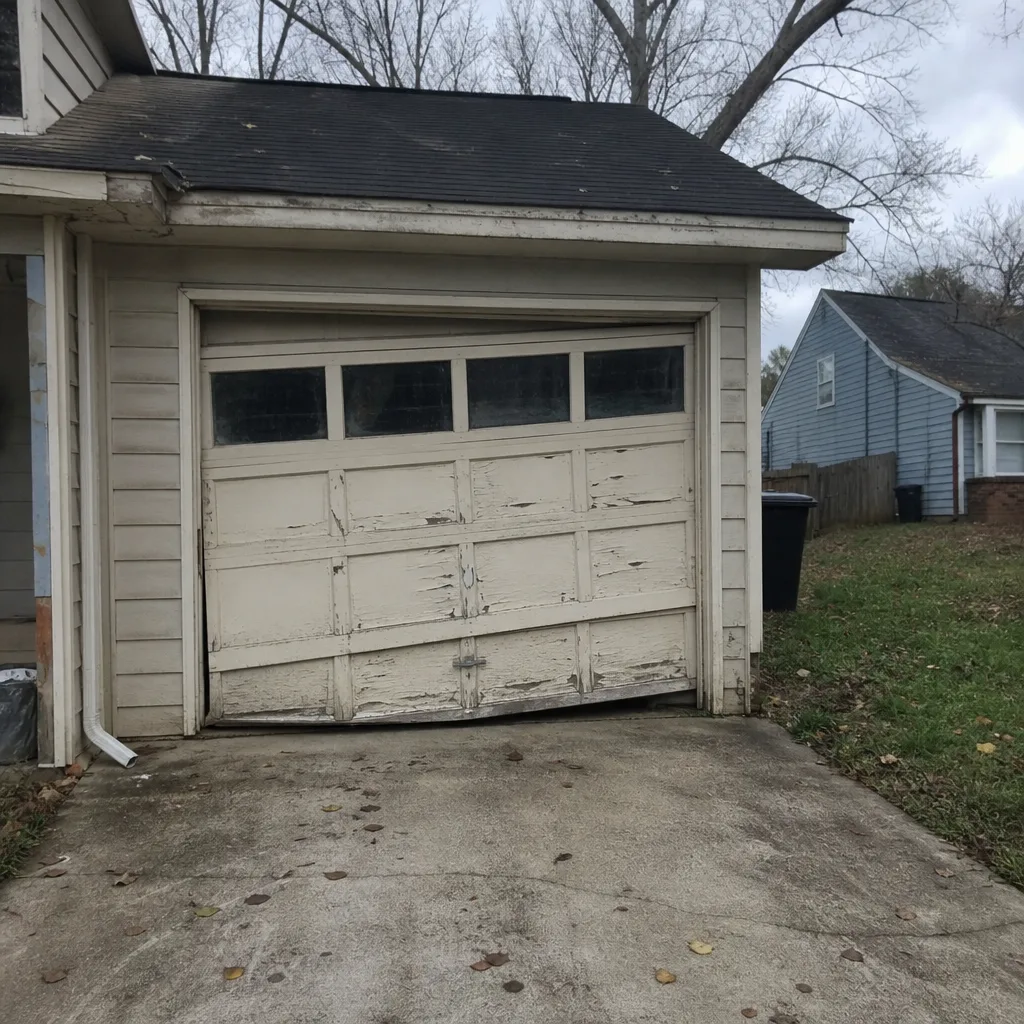 Before
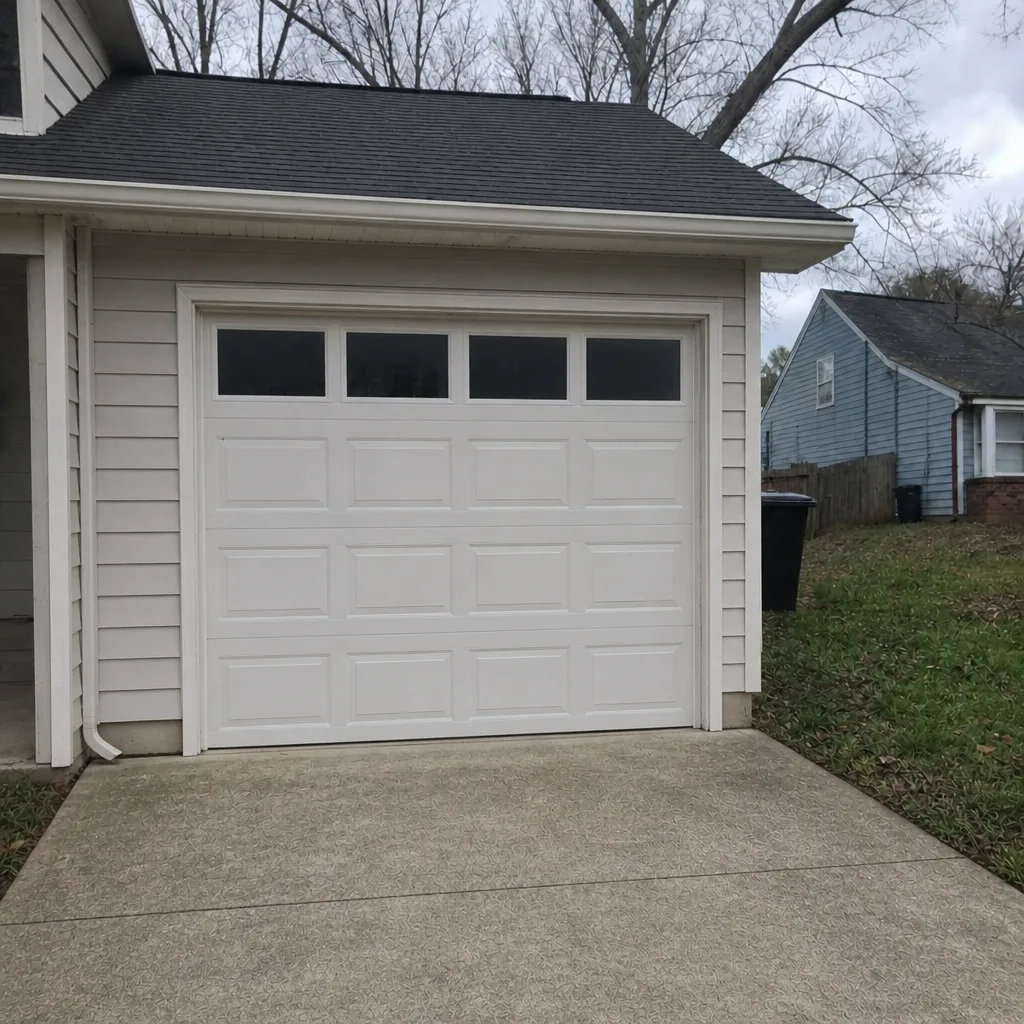 After
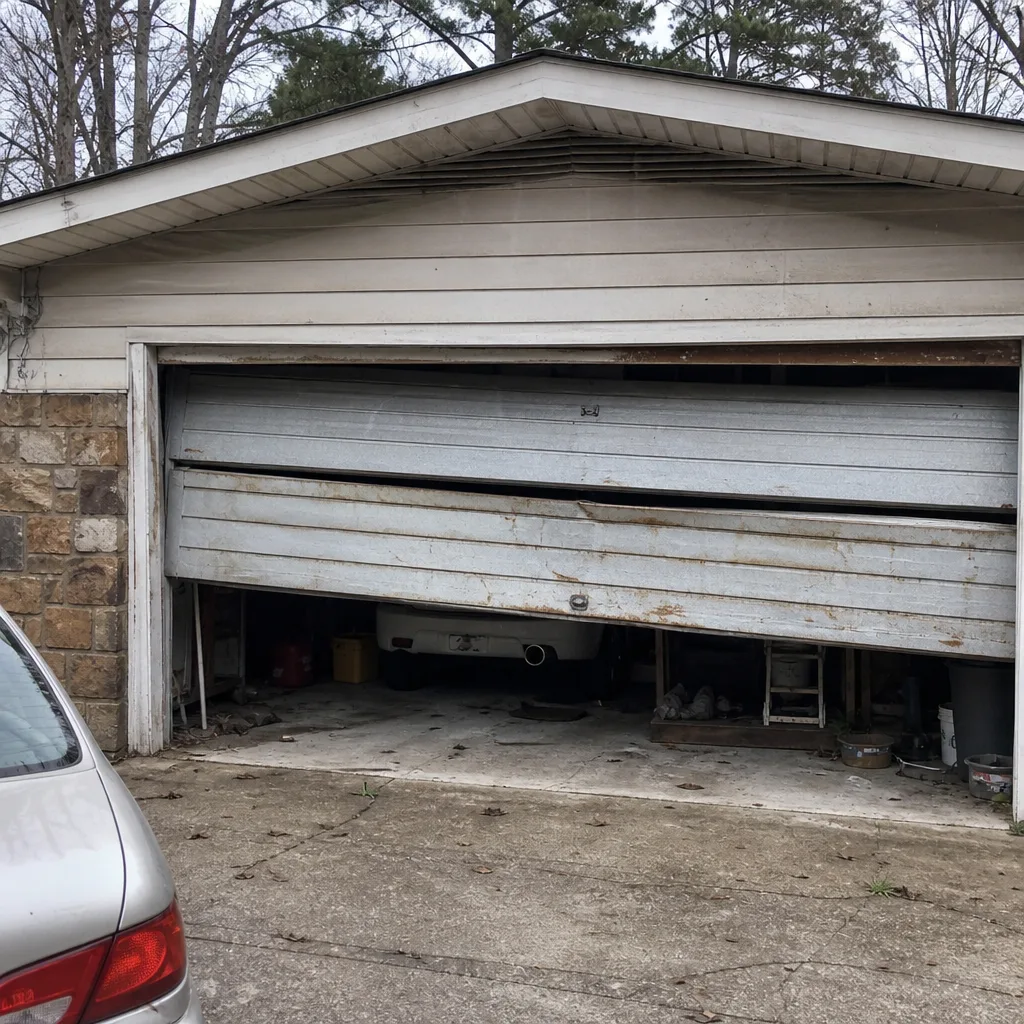 Before
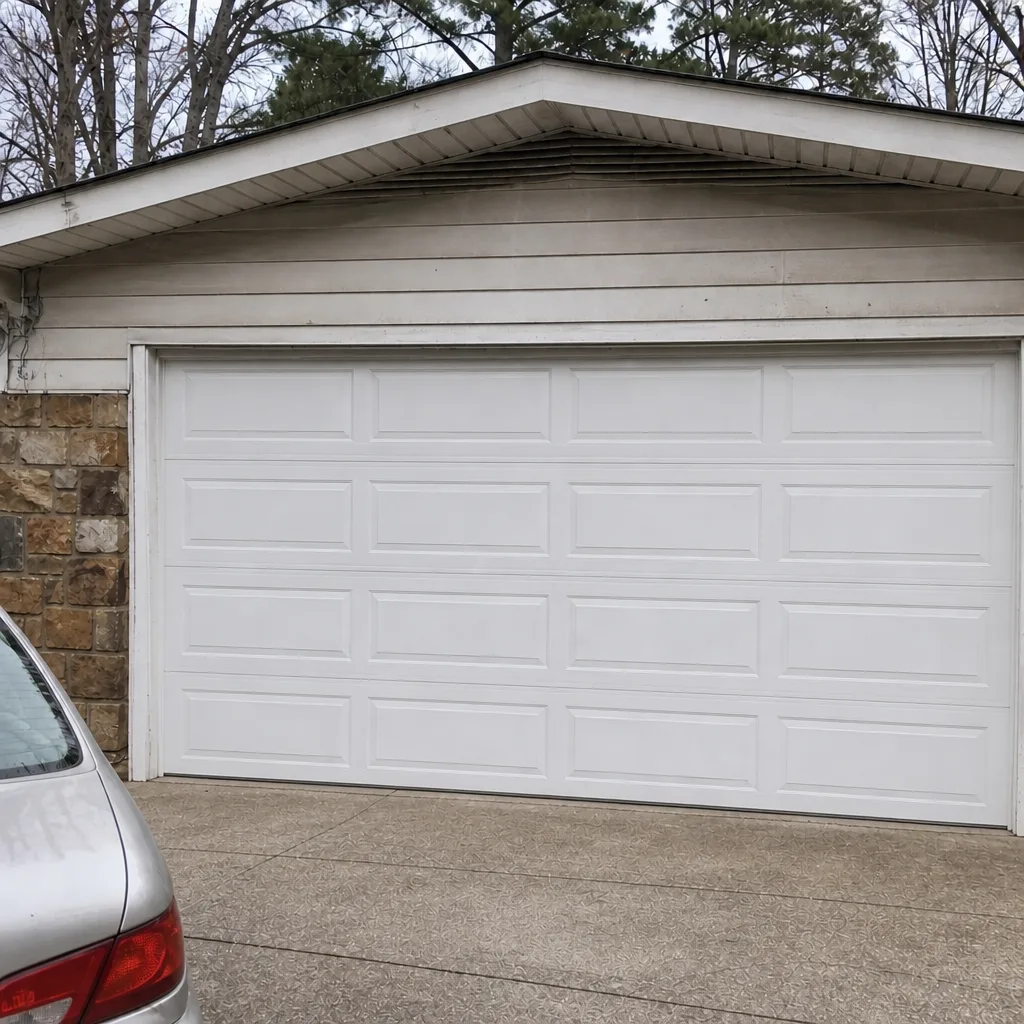 After
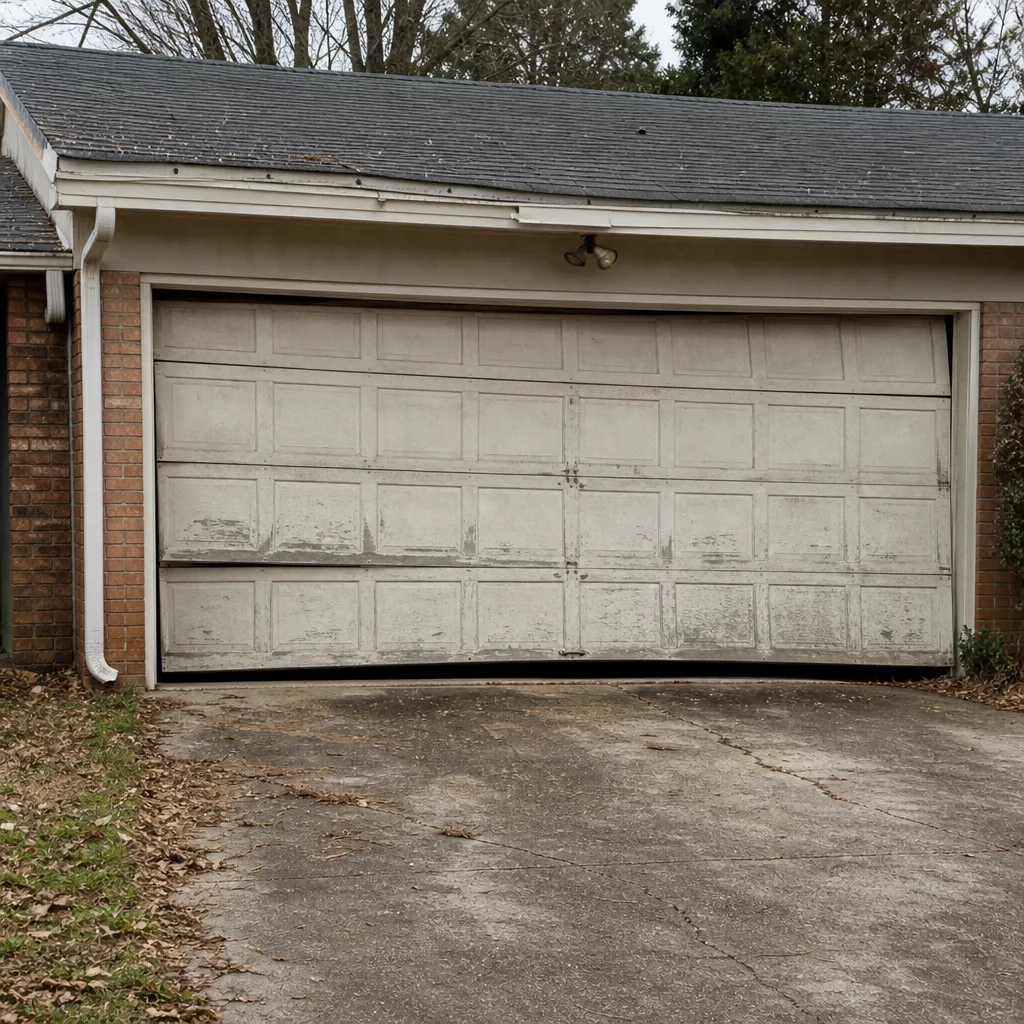 Before
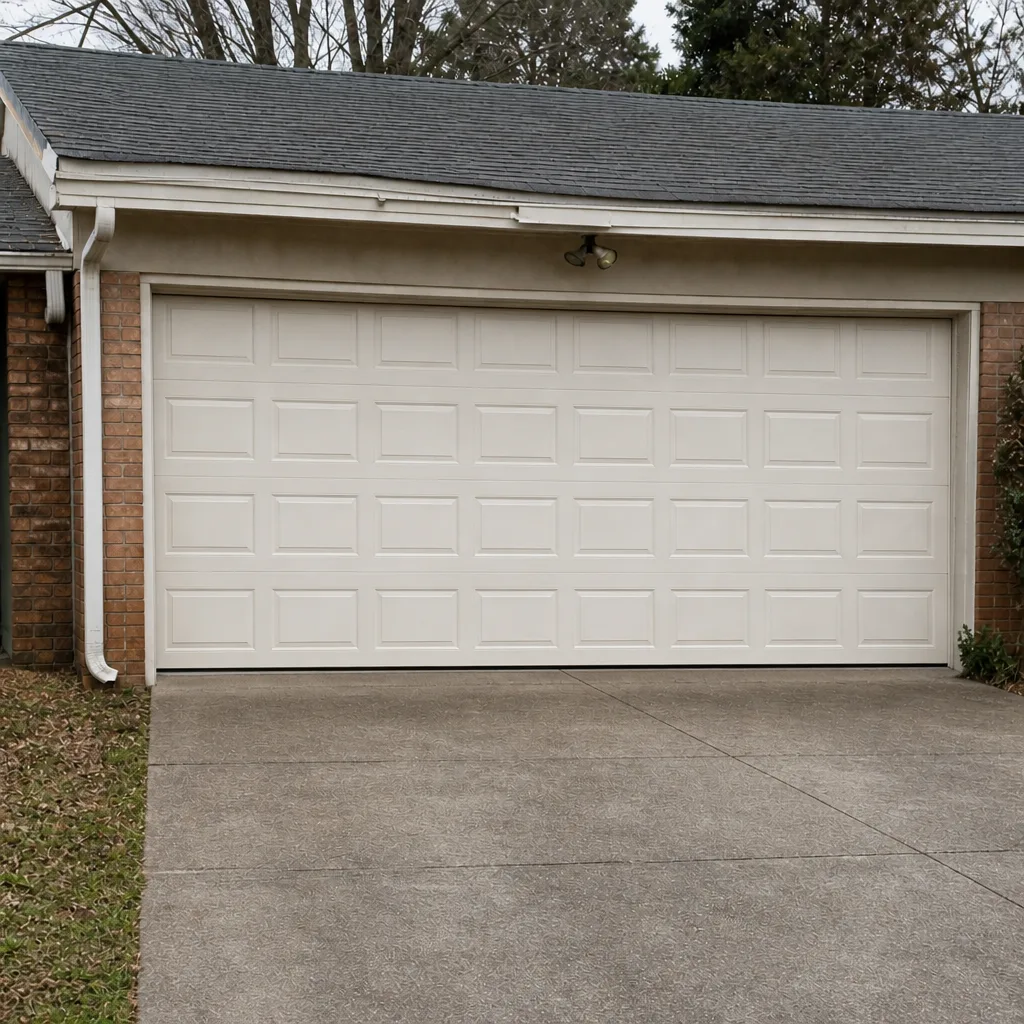 After
When to Call a Professional
Some garage door situations call for a licensed technician rather than a homeowner project. If the door’s springs are broken or the cables are slack, do not touch them. High-tension springs store enough energy to cause serious injury, and this is the one part of the assembly that warrants a trained pro every time. If the opener is behaving unpredictably (cycling on its own, failing to reverse on contact, or tripping the breaker), that’s a sign of a failing system and a diagnostic call. If your door was installed without a permit and you’re planning to sell, call us to evaluate what the inspection will need before you list.
Garage Door Repair Stonecrest offers free estimates in Stonecrest – call (855) 604-8729. We work on every major brand, from LiftMaster and Chamberlain openers to Genie systems and Clopay and Amarr doors. Same-day and emergency service is available, and our technicians have up to 12 years of experience. Estimates are quoted and agreed before any work starts.
Frequently Asked Questions
No, if it’s a true like-for-like replacement: the same door size, weight class, and operation in the same opening. Any change to the door’s size, weight, the opening itself, or the electrical system usually requires a permit. Call the City of Stonecrest building department with your exact scope to confirm. Call (855) 604-8729 if you want us to review your project scope before you start – estimates are free.
Either can pull the permit, but the contractor usually does it because they know the scope and the code requirements. What matters is that the permit gets pulled from the right jurisdiction for your address and that the final inspection sign-off is completed. Confirm in writing who is pulling the permit and that any permit fee is included in the written estimate.
It can. Most policies exclude or dispute coverage for work that required a permit and wasn’t permitted, or that wasn’t built to code. If a garage door fails and causes damage, the insurer can ask for the permit and inspection records, and a missing record can complicate the claim. Keeping your permit and inspection card with home records protects you. Call (855) 604-8729 if you need help interpreting what your records should show – the estimate is free.
An inspector checks that the door matches the permitted size and weight, that the wind rating meets the property’s design pressure, that the tracks are anchored to framing, that the springs are rated for the installed door, and, if there’s an opener, that the electrical circuit is properly wired and the safety reverse and photo-eyes work. Energy code compliance for the door assembly is also checked where applicable. The installation has to match the permit and the code, or it fails.
A simple like-for-like replacement permit is typically issued within days. A structural permit for a new opening or size change takes longer because of plan review. Ask the building department for the specific turnaround when you apply so you can time your installation. If you’re ready to schedule the work itself, call (855) 604-8729 for a free estimate – we’ll walk through the scope and the permit path together.
Yes, if the door was previously manual and you’re adding an opener, the new circuit at the opener location typically requires an electrical permit. If a licensed electrician is already on the job and wires the circuit as part of the electrical scope, the electrical permit runs through the electrical contractor. Adding an opener to an already-automatic door with existing wiring usually doesn’t need a new permit.
The Bottom Line
In Stonecrest, GA, a true like-for-like garage door replacement generally doesn’t need a permit. Anything that changes the door’s size, weight, the opening itself, or the electrical system usually does. Stonecrest’s dual position inside DeKalb County means confirming the right jurisdiction before pulling a permit, or the record can go to the wrong authority and get treated as missing at resale or claim time. The wind rating and energy code apply regardless of permit status. If you’re unsure about your project, call the building department first, then call us for a free estimate: (855) 604-8729. Same-day and emergency service is available, our estimates are quoted and agreed before work starts, and estimates are free.
Written by the team at Garage Door Repair Stonecrest.