Last updated November 23, 2026
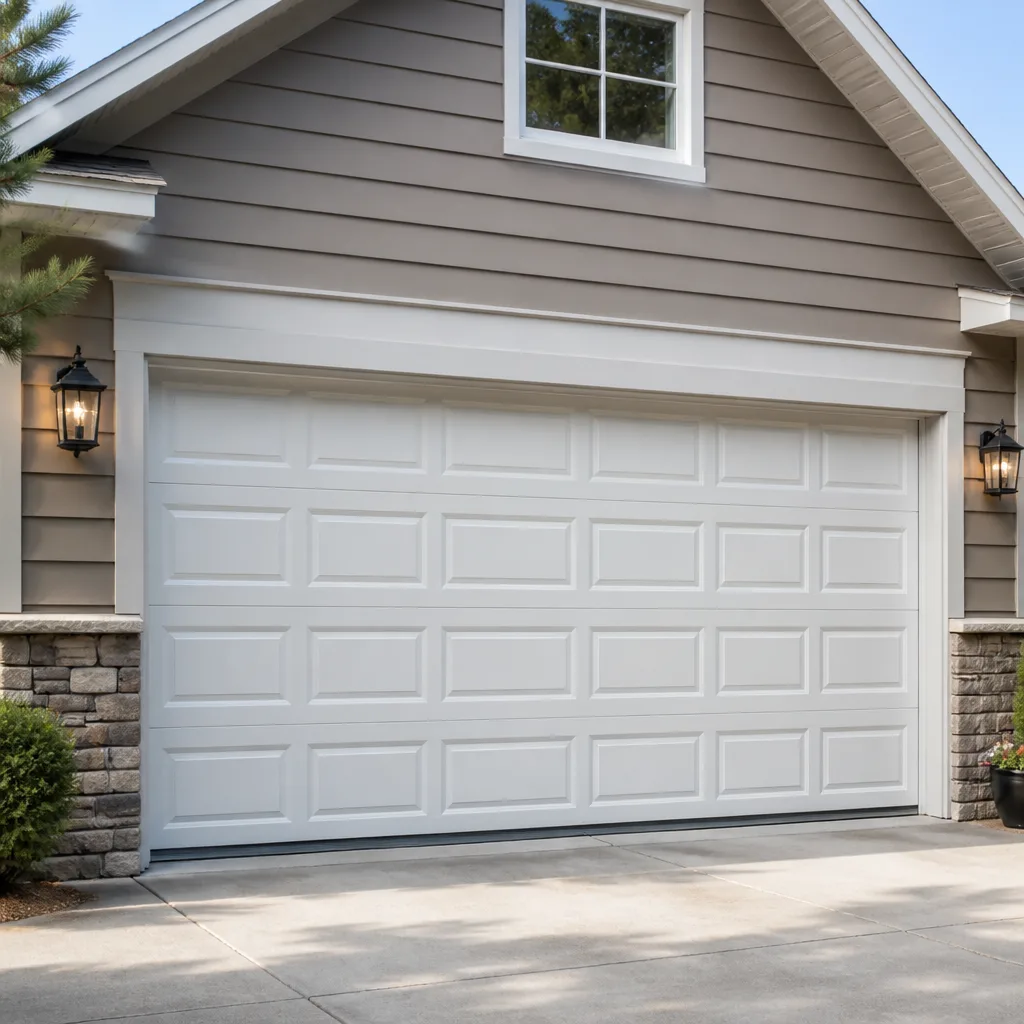 Raised-panel steel
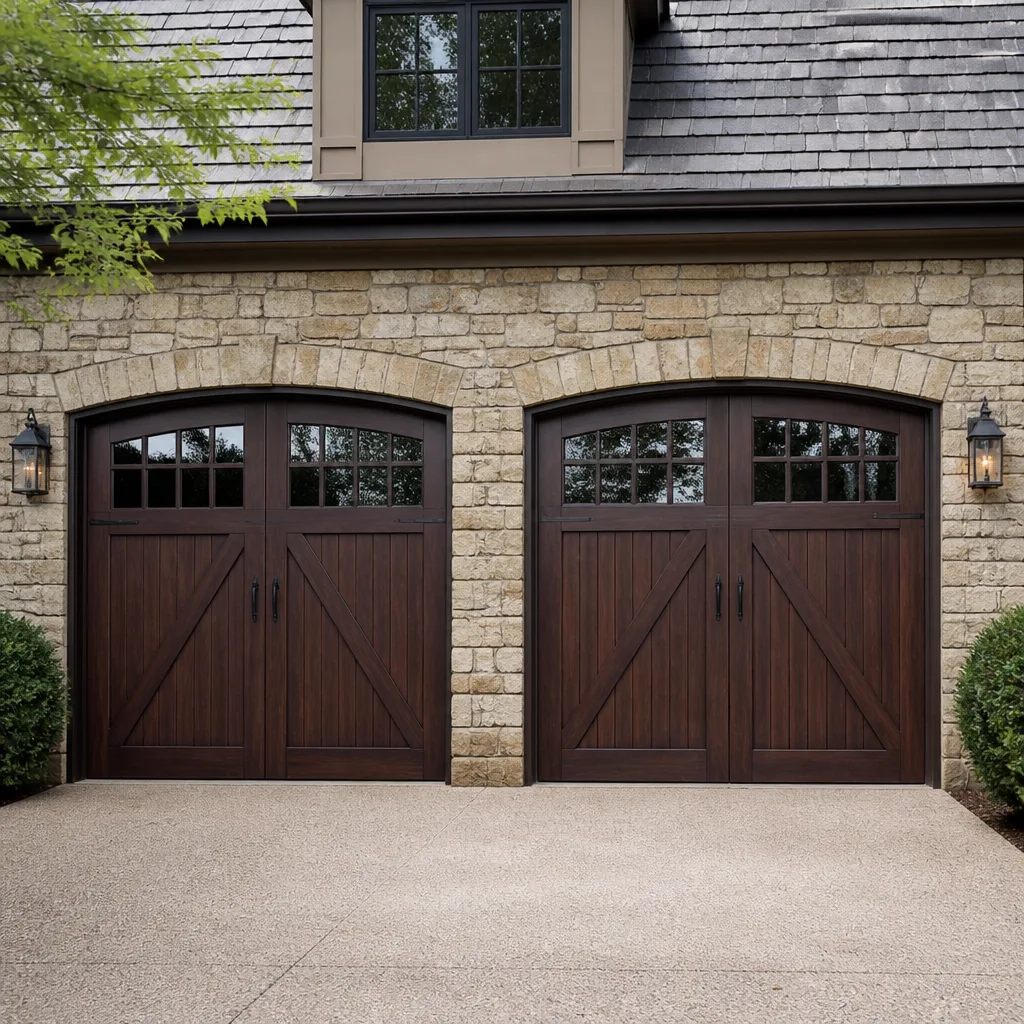 Carriage house
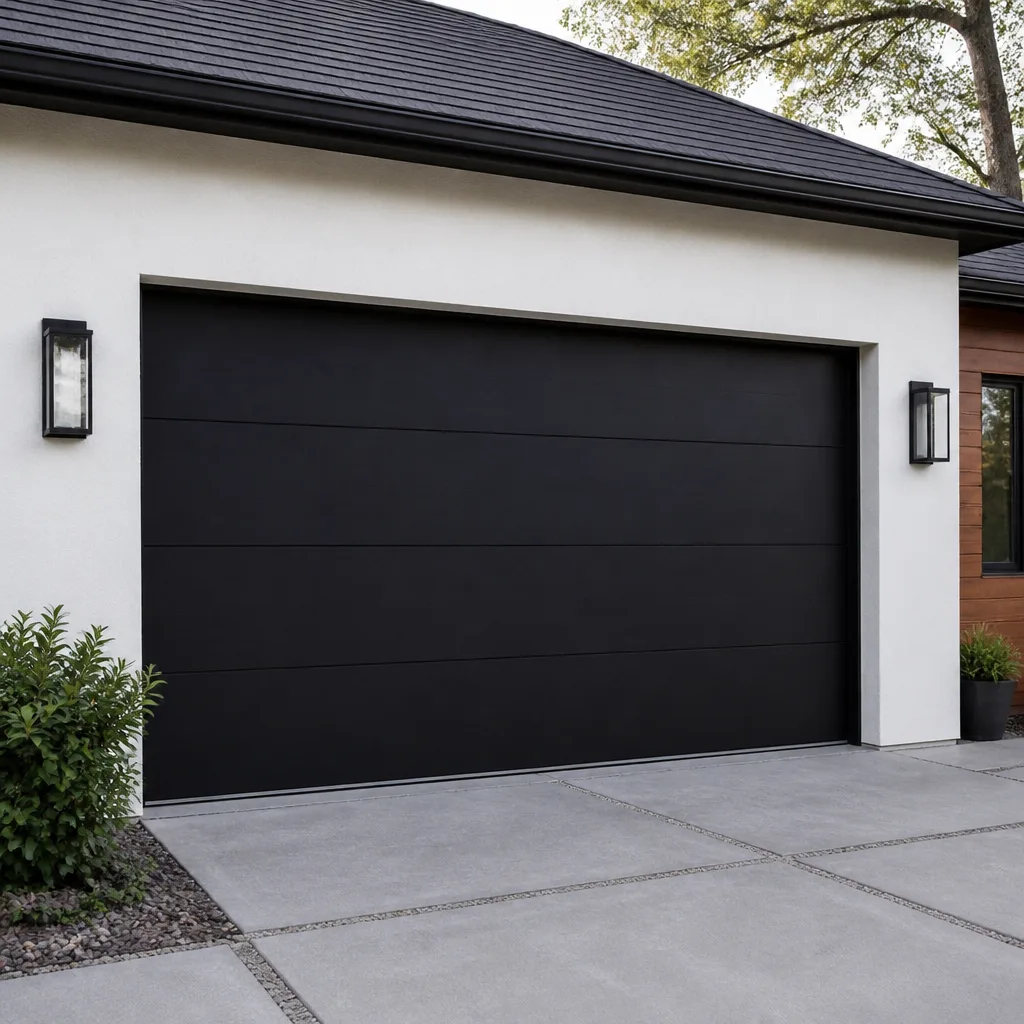 Modern flush
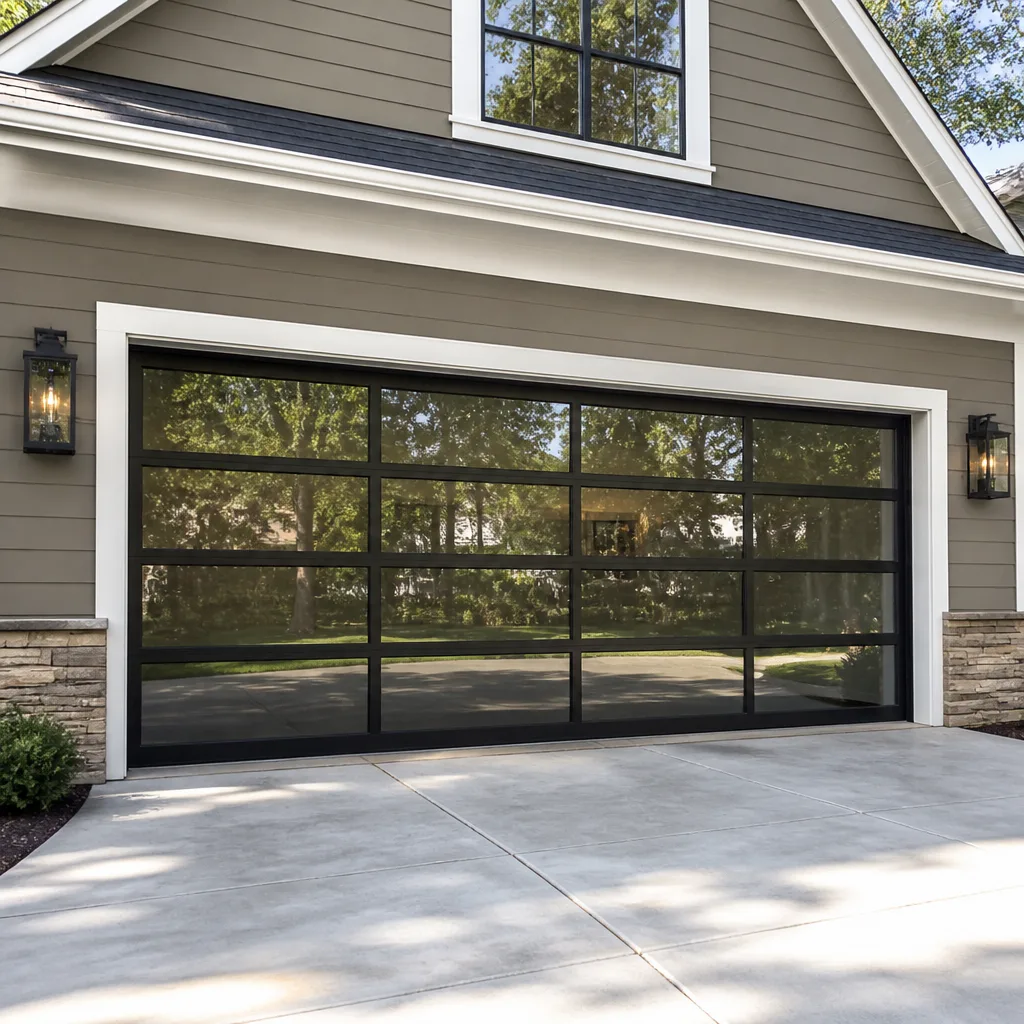 Full-view glass
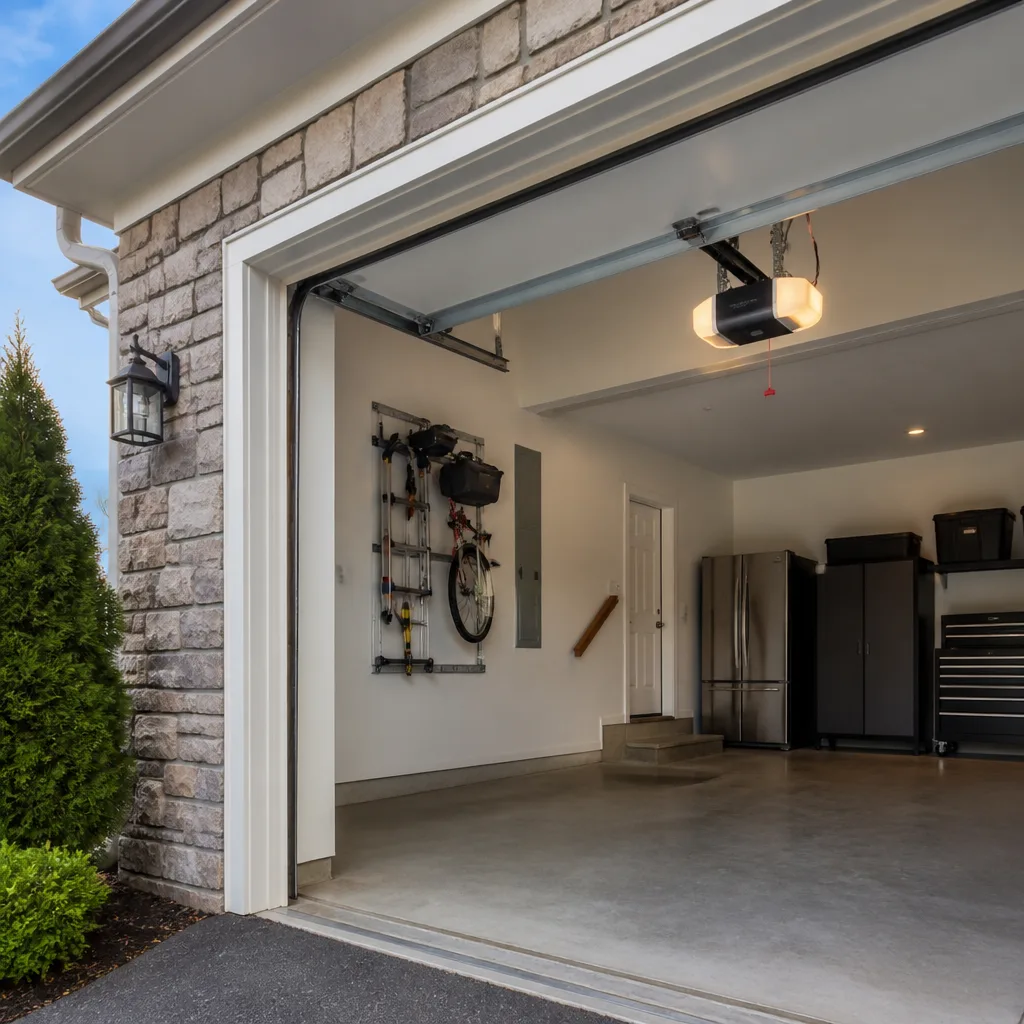 LiftMaster openers
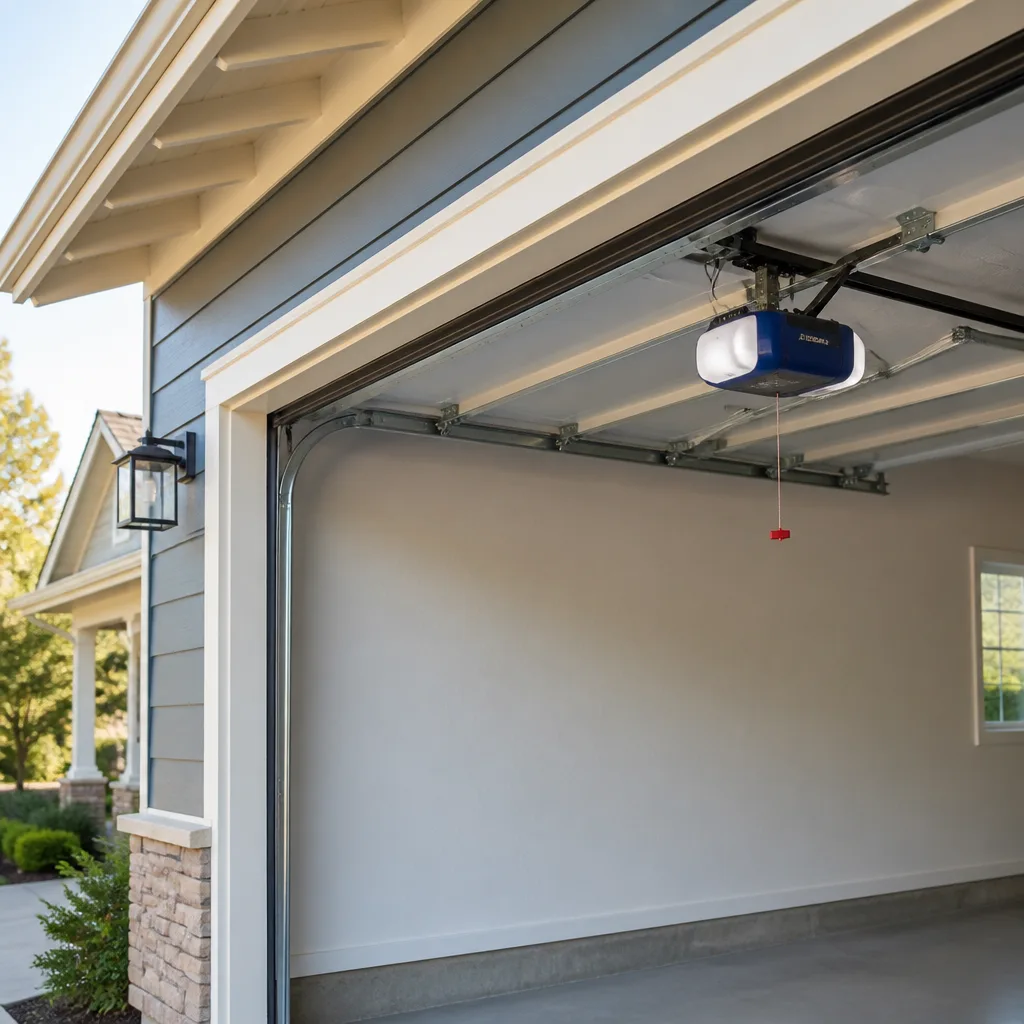 Chamberlain openers
Full 25-point door and opener safety check with every visit - springs, cables, rollers, tracks, and your LiftMaster or Chamberlain opener included
You get a price before we start. It does not change when the pro arrives.
Get your free estimateGarage Door Repair Maintenance Checklist for Stonecrest Homeowners
The number-one call we get in Stonecrest isn’t a broken spring. It’s a door that was one skipped maintenance step away from a broken spring. That difference matters. Most maintenance checklists floating around online are recycled from manufacturer manuals and treat every door the same, which is why they cover liability rather than what actually prevents service calls. This guide is built the other way around: around the failure patterns our technicians actually find on Stonecrest service calls, ranked by whether a lapse causes a complete door failure or just a minor annoyance. You’ll learn what to check, how long it really takes, and exactly what to photograph so a technician can help before a small issue becomes a stranded car.
Quick Answer
A garage door maintenance checklist in Stonecrest should focus on the items that prevent total door failures first: spring condition, cable wear, roller and hinge lubrication, track alignment, and balance. Most of the genuinely important checks take 20 to 30 minutes a month, and the rest can wait for an annual once-over. Skip the filler tasks that never cause a failure and spend your time on the handful that do.
Styles & brands we work with
- Raised-panel steel
- Carriage house
- Modern flush
- Full-view glass
- LiftMaster openers
- Chamberlain openers
Table of Contents
- Why Stonecrest Doors Fail Differently
- The Maintenance Checklist, Ranked by What Actually Matters
- The 90-Second Spring Tension Check (No Touching Required)
- Lubrication Points Stonecrest’s Temperature Swings Make Critical
- Monthly vs. Annual: Honest Time Estimates
- What to Photograph So a Technician Can Diagnose Remotely
- Brand-Specific Notes: Chamberlain, Genie, Clopay, Amarr
- Safety: What You Should Never Touch
Why Stonecrest Doors Fail Differently
Stonecrest sits in a part of Georgia where the thermometer can swing hard between a cool morning and a warm afternoon, and that daily expansion and contraction works on every metal component of your door. Springs, cables, rollers, and hinges all flex a little with each swing. Over a season, that movement adds up. It’s why we see certain failures here more often than homeowners expect, and why a checklist copied from a drier or cooler climate misses the point.
Two other local factors shape what fails. First, most Stonecrest homes have attached garages that get used as the main entry point, so the door cycles more times per day than a door on a house where the garage is just storage. More cycles means faster wear on springs and openers. Second, the pollen season here coats tracks and rollers in a fine grit that acts like sandpaper if it isn’t cleaned off. A door that runs smoothly in a cleaner climate can start grinding in Stonecrest within a couple of months.
The practical takeaway is this: the checks that matter most in Stonecrest are the ones tied to temperature-driven wear and cycle count. A door that cycles eight times a day needs attention sooner than one that cycles twice, and the climate here makes that wear visible faster. That’s the lens this whole checklist uses. If you want a broader look at the range of problems a door can develop, our garage door repair page covers the full picture.
The Maintenance Checklist, Ranked by What Actually Matters
Here’s the honest ranking. Items at the top cause complete door failures, meaning the door won’t open, won’t close, or comes down dangerously. Items lower down cause noise, minor inconvenience, or cosmetic wear that rarely stops the door. Spend your energy from the top down.
Tier 1 – Failure-causing (check monthly):
- Spring condition. Look at the springs above the door for gaps, stretched coils, or a visible break. A failing spring is the single most common cause of a door that won’t lift. Don’t touch it; just look (the tension check below shows how).
- Cable condition. Check that the cables running along each side are taut and free of fraying, kinks, or slack. A snapped cable can let the door drop.
- Balance test. Disconnect the opener and lift the door halfway by hand. It should stay put. If it drifts down or springs up, the springs are out of balance.
- Safety reverse. Put a small object in the door’s path and close it. The door should reverse on contact. This is a life-safety function, not a convenience.
Tier 2 – Wear accelerators (check quarterly):
- Roller condition and lubrication
- Hinge tightness and lubrication
- Track alignment and debris
- Weather seal integrity along the bottom
Tier 3 – Cosmetic and low-impact (check yearly):
- Paint and finish condition on steel doors
- Panel dents that don’t affect travel
- Opener light bulb and battery backup status
Most standard checklists give equal weight to all three tiers, which is why they feel like busywork. In Stonecrest, the top tier is where your time pays off. If a Tier 1 item fails, stop and call a professional rather than pushing the door through it. When a spring or cable goes, our garage door spring repair team handles it with the right tools and the door stays safe in the meantime.
The 90-Second Spring Tension Check (No Touching Required)
You can tell a lot about a spring’s health without ever putting a hand on it. This is the check our technicians run first, and you can do it yourself in about 90 seconds. The goal is to spot the visual indicators that a spring is approaching end of life so you can plan a replacement instead of dealing with a failure.
- Look at the coil gaps. With the door closed, stand back and look along each spring. The coils should be evenly spaced. A spring that has stretched, developed uneven gaps, or shows a section that looks compressed is on its way out.
- Look for rust and discoloration. Brown streaks or rust along the coil point to moisture exposure and metal fatigue. In Stonecrest’s humid summers, this shows up more than you’d expect.
- Listen during travel. Run the door up and down and listen. A sharp pop, a twang, or a sudden change in sound is a warning sign. A smooth door sounds the same every cycle.
- Watch the door’s speed. If the door lifts slowly at the start or seems to labor before it moves, the springs are losing tension.
- Check the balance again. A door that won’t hold halfway by hand is telling you the springs are tired.
Never try to adjust, wind, or unwind a torsion spring yourself. Those springs store enormous energy, and a mistake can cause serious injury. The tension check above is a look-and-listen exercise only. If anything looks off, that’s your cue to call in a professional. Our Garage Door Repair Stonecrest team can inspect springs safely and give you a straight answer on whether they need replacing.
Lubrication Points Stonecrest’s Temperature Swings Make Critical
Lubrication matters everywhere, but in Stonecrest it matters more because the temperature swings here work lubricant harder. Grease that’s fine at a steady temperature can thin out on a warm afternoon and thicken on a cool morning, which means the parts it’s protecting get uneven coverage. The right approach is a light, consistent application at the specific points that need it. Use a garage-door-specific lubricant, not household oil or WD-40, which attracts grit.
Here are the points to hit, in order of importance:
- Hinges. A drop at each hinge pivot. These take the most load and squeak first when dry.
- Rollers. A light coat on the roller stems, not the wheels themselves. Over-lubricating the wheels attracts the pollen grit that grinds them down.
- Spring coils. A thin film along the coils reduces friction between them. This is the point Stonecrest’s swings make most worthwhile, since coil friction is what wears springs out.
- Track curves. A small amount where the vertical track meets the curved section helps the rollers travel smoothly.
- Opener rail and chain or belt. Follow the opener manufacturer’s guidance; a Chamberlain or Genie belt drive needs far less than a chain drive.
Avoid the common trap of spraying everything liberally. Excess lubricant collects the grit that Stonecrest’s pollen season delivers, and that grit does more damage than dryness. A little, applied to the right spots, goes further than a lot applied everywhere. If your opener is the part making noise rather than the door, our garage door opener repair team can tell you whether it’s a lubrication issue or a failing component.
Monthly vs. Annual: Honest Time Estimates
Most checklists never tell you how long anything takes, which is why people skip them. Here’s the real time commitment, so you know what you’re signing up for.
Monthly (about 15 minutes):
- Spring visual check – 2 minutes
- Cable visual check – 2 minutes
- Balance test – 3 minutes
- Safety reverse test – 2 minutes
- Listen-and-watch cycle – 2 minutes
- Quick track wipe-down – 4 minutes
Quarterly (about 30 minutes):
- Everything in the monthly list, plus:
- Lubrication at hinges, rollers, springs, and track curves – 15 minutes
- Hinge tightness check with a screwdriver – 5 minutes
- Weather seal inspection – 5 minutes
- Roller condition check – 5 minutes
Annual (about 45 minutes, or a professional visit):
- Everything above, plus:
- Full track alignment check – 10 minutes
- Paint and panel inspection – 10 minutes
- Opener force and travel limit review – 10 minutes
- Photo documentation of all components – 15 minutes
The monthly routine is the one that prevents failures. The quarterly and annual work is about extending life and catching slow wear. If you’d rather not climb a ladder or handle the annual review yourself, that’s a reasonable time to have a professional look it over. Our technicians have up to 12 years of experience and can walk the whole door in one visit.
What to Photograph So a Technician Can Diagnose Remotely
This is the step almost every checklist leaves out, and it’s the one that saves the most time when something goes wrong between visits. If you photograph the right things during maintenance, a technician can often tell you what’s happening over the phone before anyone drives out. In Stonecrest, where a door failure can strand a car in the driveway on a busy morning, that head start matters.
Here’s what to capture:
- Both springs, full length, from a straight-on angle. Include the entire coil so gaps and stretching are visible.
- Each cable, top to bottom. A close-up where the cable meets the drum and where it anchors at the bottom bracket.
- The rollers and hinges on both sides. One wide shot and one close-up per side.
- The track where it curves. This is where alignment problems show first.
- The opener unit and its label. The model label tells a technician the exact system, which matters for a Chamberlain, Genie, or older unit.
- The bottom seal and the door’s closed position. A gap or uneven seal shows up here.
Keep the photos in a folder on your phone, dated. When you call, you can describe what changed and send the images. A technician who knows your door’s setup can often diagnose remotely, which shortens the visit and the wait. It’s a small habit that pays off the one time you really need it. For urgent situations, our emergency garage door service is built to respond when the door won’t move, and having those photos ready helps.
Brand-Specific Notes: Chamberlain, Genie, Clopay, Amarr
Not every door and opener ages the same way, and knowing your brand helps you focus your checks. We work on eight major brands, and a few patterns are worth flagging for Stonecrest homeowners.
Chamberlain and Genie openers. These are two of the most common systems in Stonecrest homes. Chamberlain units, especially WiFi-connected models, benefit from periodic checks of the safety sensors and the travel limits. Genie openers, particularly older chain-drive units, tend to get noisy as the rail and chain dry out, so lubrication timing matters more. If your opener is behaving oddly, a garage door opener repair visit can sort out whether it’s the unit or the door.
Clopay and Amarr doors. These steel doors are common on Stonecrest homes and hold up well, but the panel seams and bottom seal are where wear shows. Check the bottom seal for cracking each quarter; a failing seal lets in the pollen grit and moisture that accelerate wear on the rest of the door. Panel dents that don’t affect travel can usually wait, but a dent near a hinge can throw off alignment and should be looked at.
The benefit of a multi-brand approach is that a technician isn’t guessing at your system. Brand-trained, not brand-locked means the diagnosis fits your actual equipment rather than a generic checklist.
Safety: What You Should Never Touch
Some parts of your garage door are genuinely dangerous, and no checklist should encourage you to work on them. Torsion and extension springs store enough energy to cause serious injury if handled wrong, and the cables under tension are just as risky. This is the one area where doing it yourself isn’t worth the risk.
Here’s the line:
- Never adjust, wind, or unwind a spring. Leave this to a trained technician with the right winding bars and knowledge.
- Never cut or loosen a cable under tension. A released cable can whip with force.
- Never stand under a door that’s being worked on. Keep clear of the path while anyone is servicing it.
- Never disable the safety reverse. It’s a life-safety feature, and a door that doesn’t reverse on contact is a hazard.
- Never climb on the door or use it as a ladder. It isn’t built for that load.
Your job in maintenance is to look, listen, and document. The hands-on repair work belongs to a professional. Spring repair in particular is one of the highest-risk jobs in home maintenance, and it’s one we handle with professional equipment and trained technicians. If something looks wrong during your check, stop and call rather than pushing through.
Common Mistakes to Avoid
- Skipping the monthly visual check because the door “seems fine.” The whole point of a visual check is to catch wear before the door fails. A door that runs today can be days from a spring break, and the check is only 15 minutes.
- Lubricating everything heavily. More isn’t better in Stonecrest’s pollen season. Excess grease collects grit that grinds rollers and hinges, so a light application at the right points beats a heavy coat everywhere.
- Using household oil or WD-40 on moving parts. These attract dust and don’t hold up to temperature swings. Use a garage-door-specific lubricant and reapply on schedule.
- Trying to adjust a spring or cable yourself. This is the mistake that causes injuries. The tension check is look-and-listen only; the repair belongs to a professional.
- Ignoring a change in sound or speed. A door that suddenly sounds different or lifts slower is telling you something. Treat a change as a signal to check, not to wait.
- Forgetting to photograph components. Without baseline photos, a technician can’t tell what changed. A photo folder makes remote diagnosis possible and shortens the repair visit.
- Assuming the opener is the problem when it’s the door. A straining opener often means a balance or spring issue. Diagnose the door before replacing the opener.
See the difference
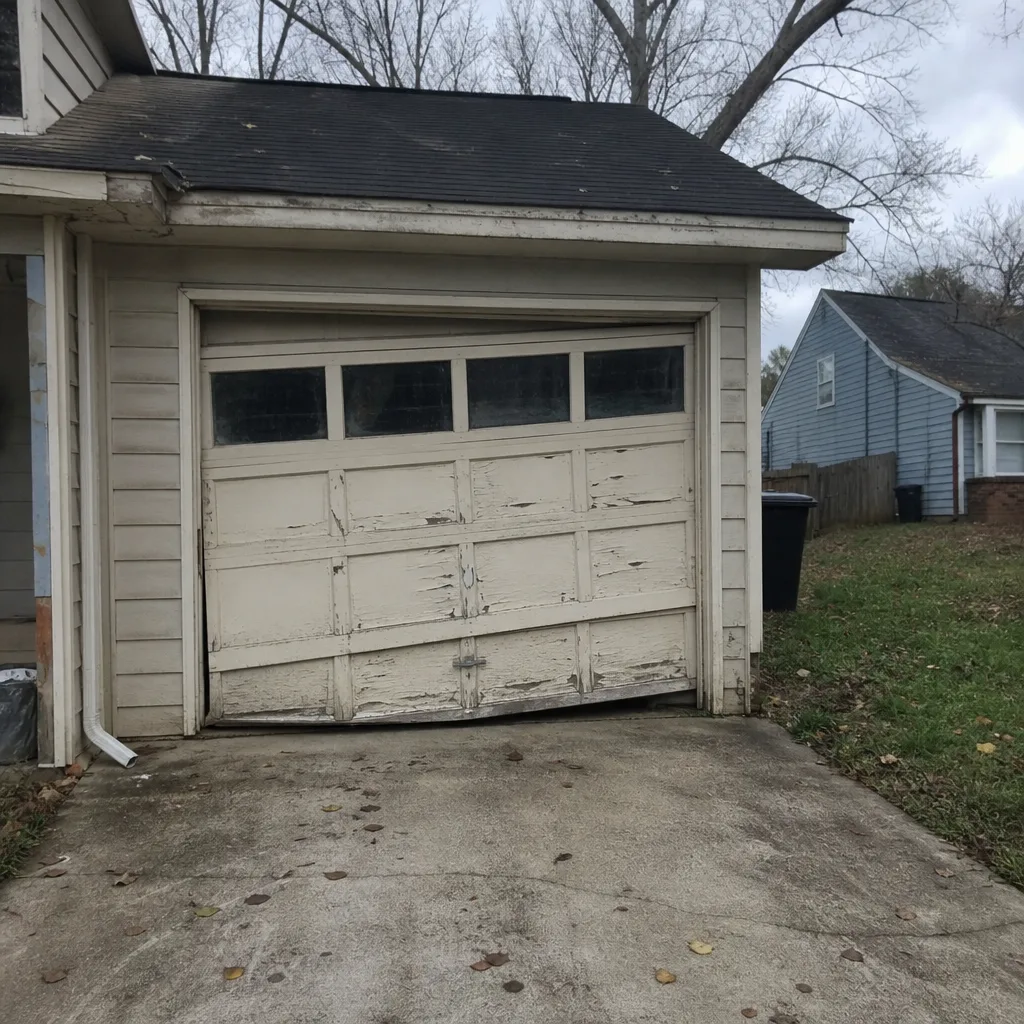 Before
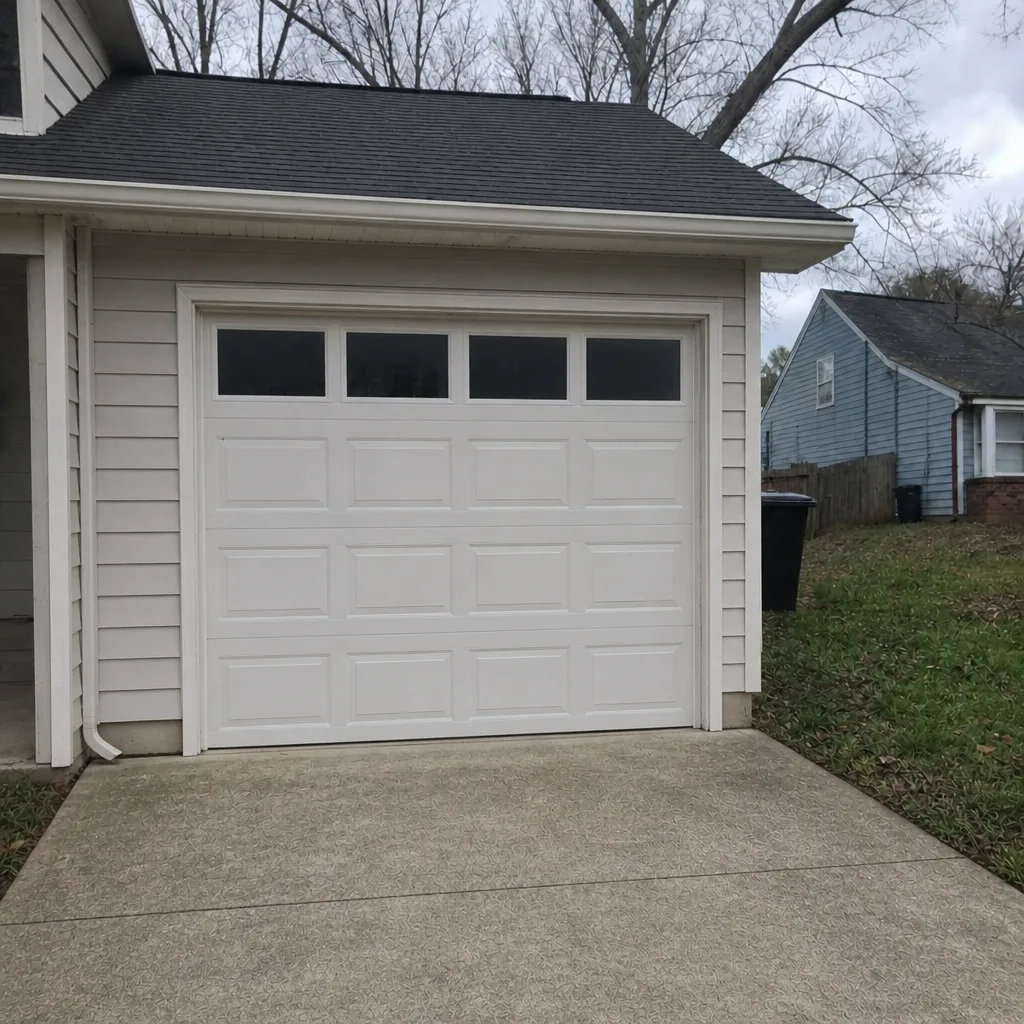 After
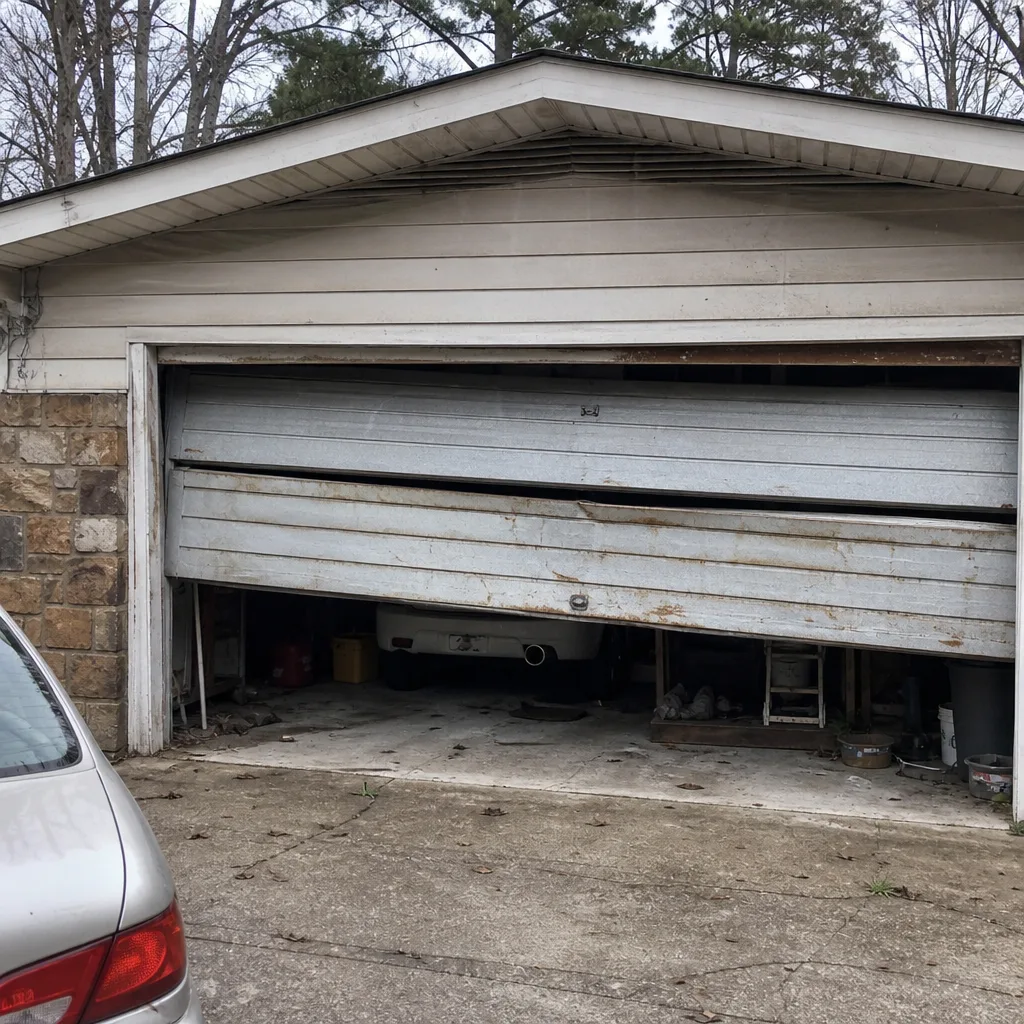 Before
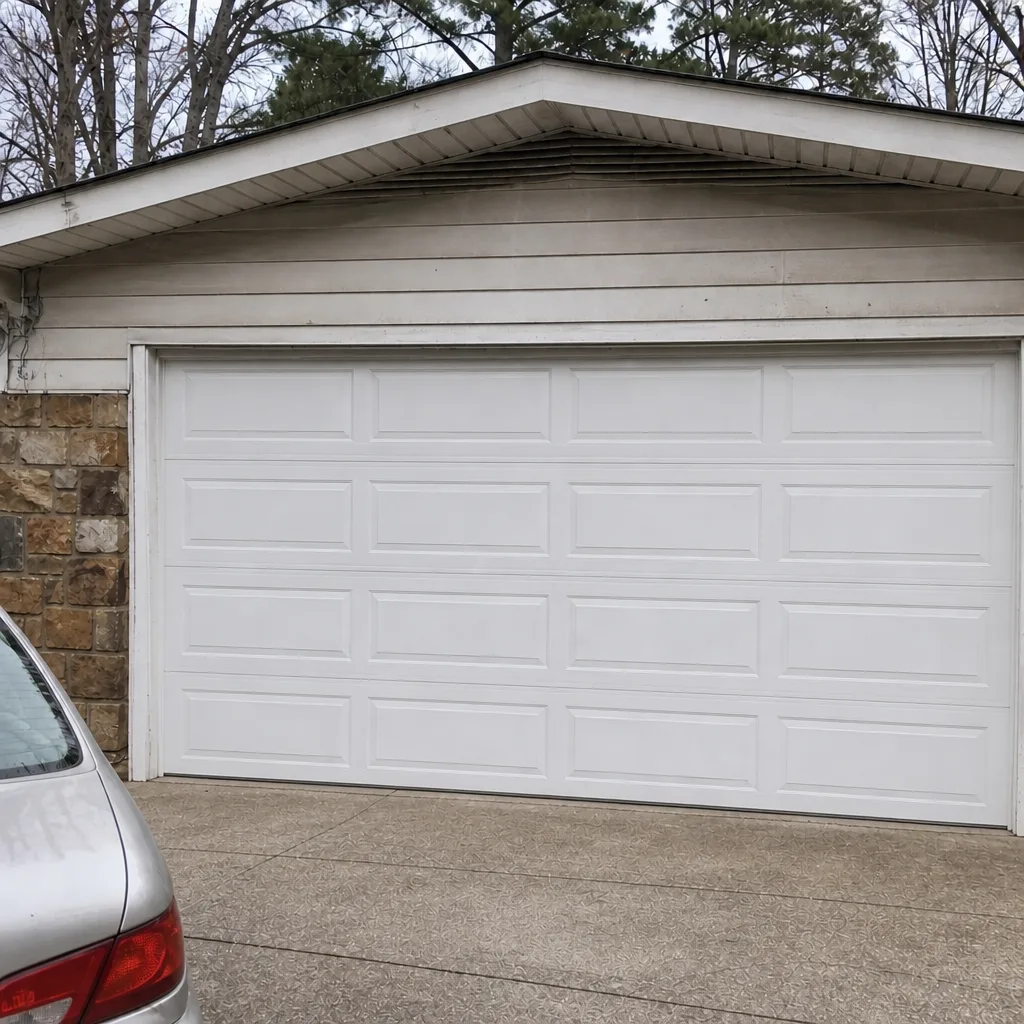 After
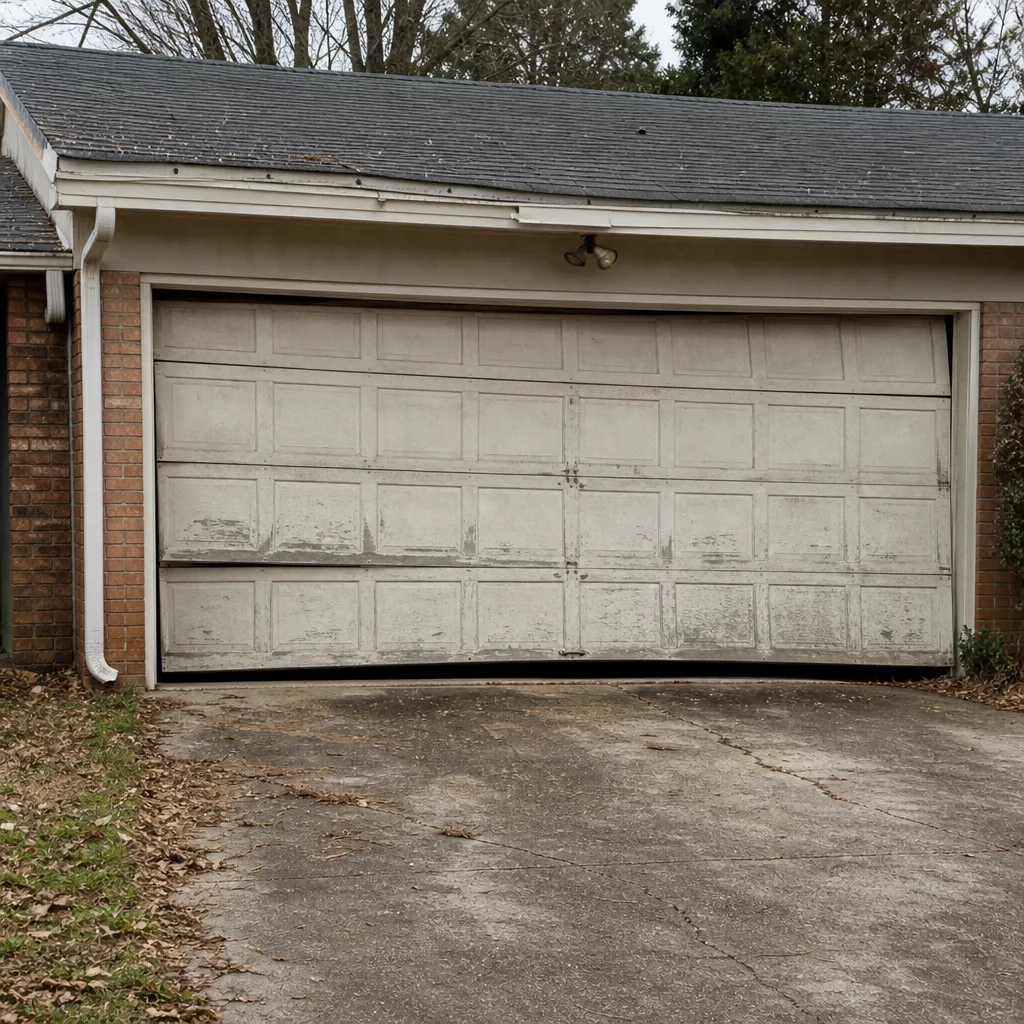 Before
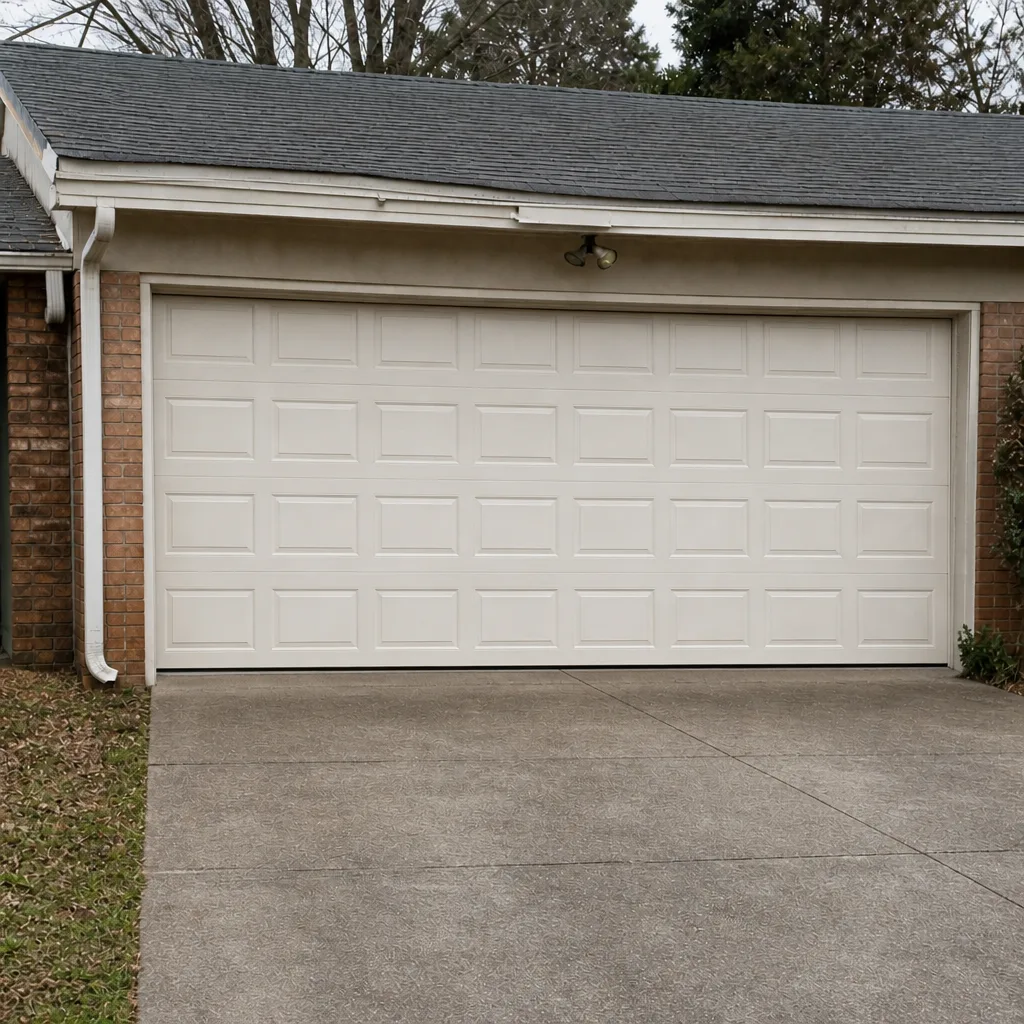 After
When to Call a Professional
Some issues are maintenance tasks you can handle. Others are calls for a professional. Reach out if the door won’t lift or close all the way, if you see a gap in a spring or a frayed cable, if the door comes down unevenly or slams, if the safety reverse fails, if the opener strains or stops mid-travel, or if you hear a loud pop followed by a door that won’t move. Those are the situations where continuing to cycle the door can make things worse or create a safety hazard. Our technicians have up to 12 years of experience and will tell you plainly what’s wrong and what it takes to fix it.
Garage Door Repair Stonecrest offers free estimates in Stonecrest – call (855) 604-8729. We work on your brand, from a Chamberlain opener to a Clopay or Amarr door, and one call covers springs, openers, panels, and full doors. When your door won’t move, we will.
Frequently Asked Questions
Do a visual check monthly and a fuller lubrication-and-inspection pass quarterly, with an annual review. The monthly routine takes about 15 minutes and catches the wear that causes most failures. Because Stonecrest’s temperature swings work metal harder and the pollen season coats moving parts, staying on the monthly schedule matters more here than in milder climates.
Look and listen. Check for uneven coil gaps, rust, or a stretched section, and run the door to hear for pops or twangs. A door that won’t hold halfway by hand is telling you the springs are tired. If anything looks off, call a professional – never adjust or wind a spring yourself, because they store enough energy to cause serious injury.
Photograph both springs full-length, each cable top to bottom, the rollers and hinges on both sides, the curve of the track, the opener label with the model number, and the bottom seal with the door closed. Keep the photos in a dated folder on your phone. With those images, a technician can often diagnose a problem remotely before driving out.
Yes, it’s more important. The temperature swings here thin and thicken lubricant unevenly and work springs harder, so the hinges, roller stems, spring coils, and track curves need a light, consistent coat. Use a garage-door-specific lubricant rather than household oil, and apply it lightly – excess grease collects pollen grit that speeds wear.
Same-day and emergency service are available. If your door won’t open or close, call and we’ll work to get you in the schedule quickly. Have your photos ready if you took them – it speeds up the diagnosis. Call (855) 604-8729 for a free estimate.
We service eight major garage door and opener brands, including Chamberlain, Genie, Clopay, Amarr, LiftMaster, Wayne Dalton, Craftsman, and Raynor. That means brand-specific knowledge rather than guesswork, whether you have a modern WiFi-connected opener or an older system. Call (855) 604-8729 and we’ll tell you what your door needs.
The Bottom Line
The maintenance checklist that actually prevents failures in Stonecrest is shorter than most guides suggest. Focus on the Tier 1 items – spring and cable condition, the balance test, safety reverse, and the listen-and-watch cycle – and do them monthly. Lubricate lightly and on schedule, photograph your components so a technician can diagnose remotely, and never touch a spring or cable yourself. The rest is filler that rarely stops a door. Keep up the top-tier checks and you’ll catch wear before it becomes a stranded car and an urgent call.
If you’d rather have a trained eye walk the whole door, or something on your checklist looks wrong, we’re here. Call Garage Door Repair Stonecrest at (855) 604-8729 for a free estimate. Our technicians have up to 12 years of experience, and we work on your brand from repair through full replacement.
Written by the team at Garage Door Repair Stonecrest.