Last updated November 23, 2026
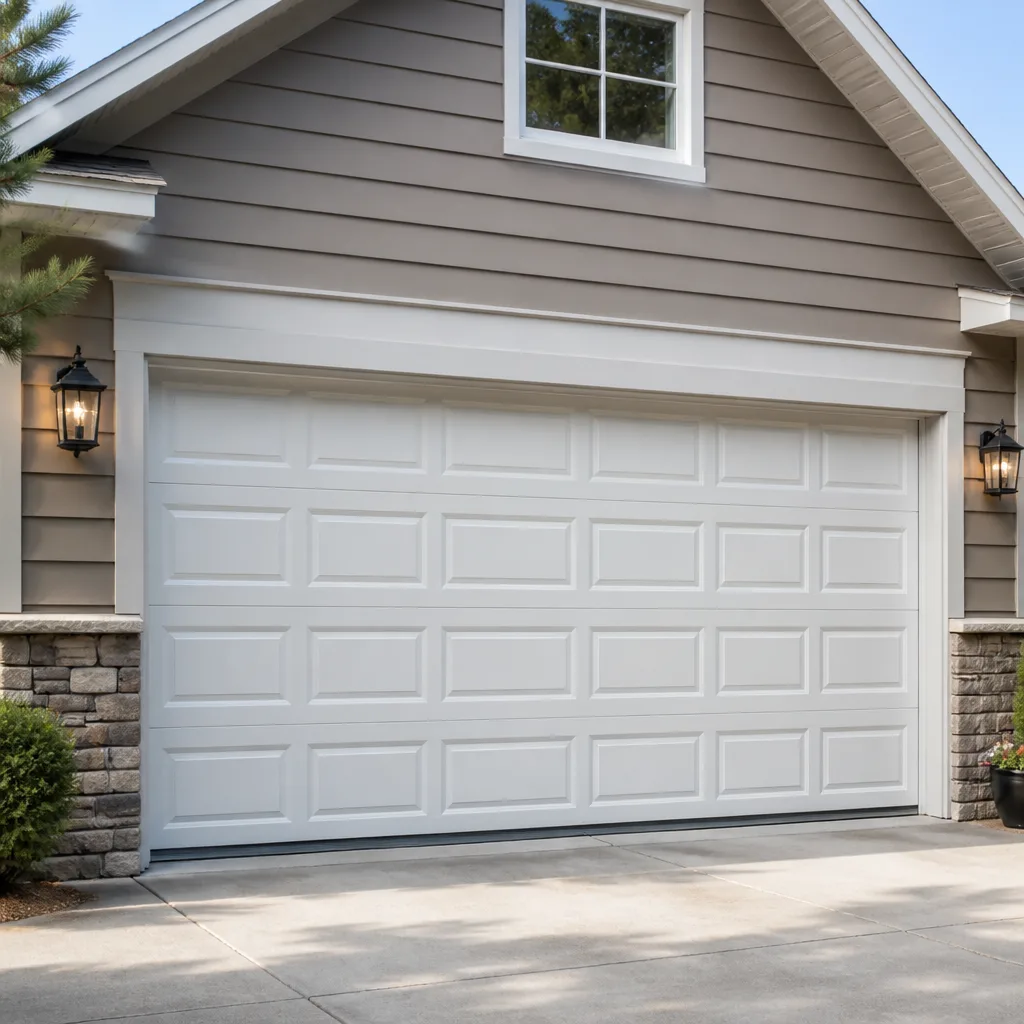 Raised-panel steel
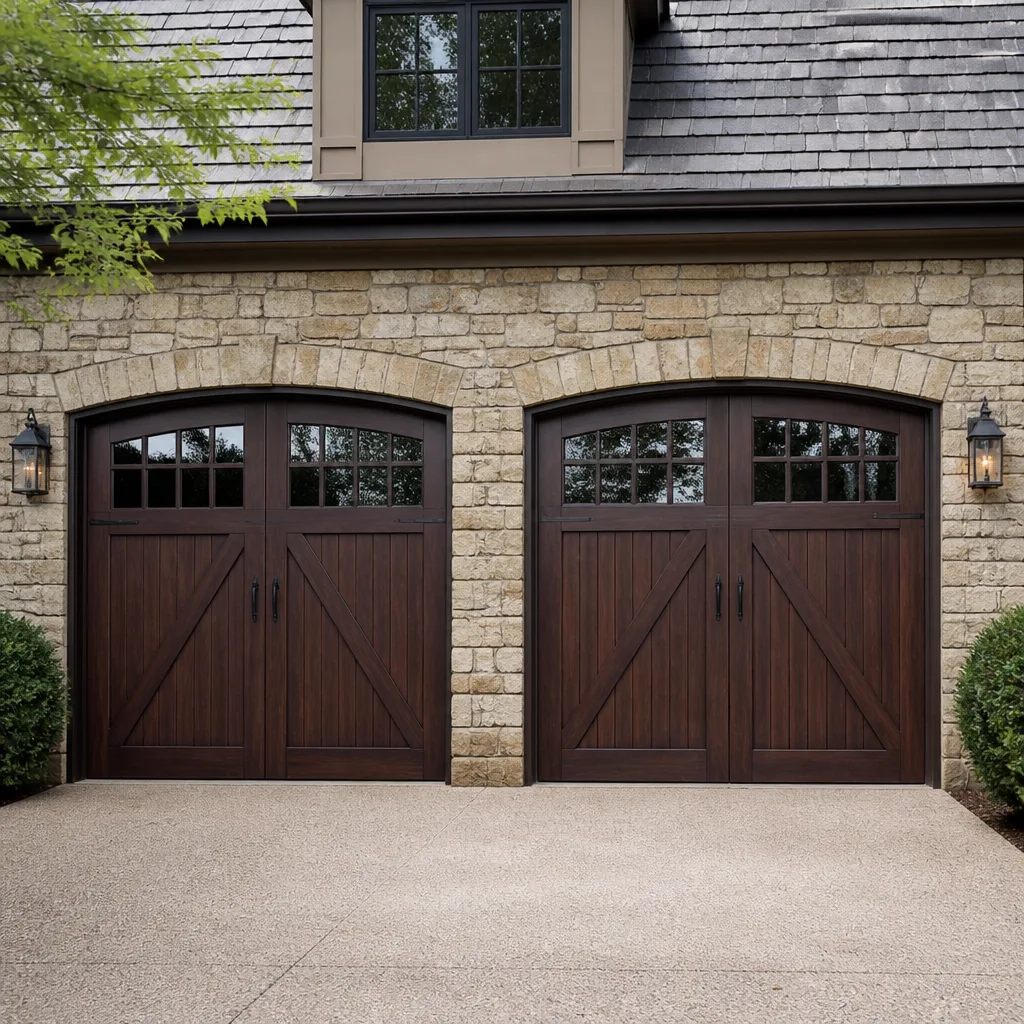 Carriage house
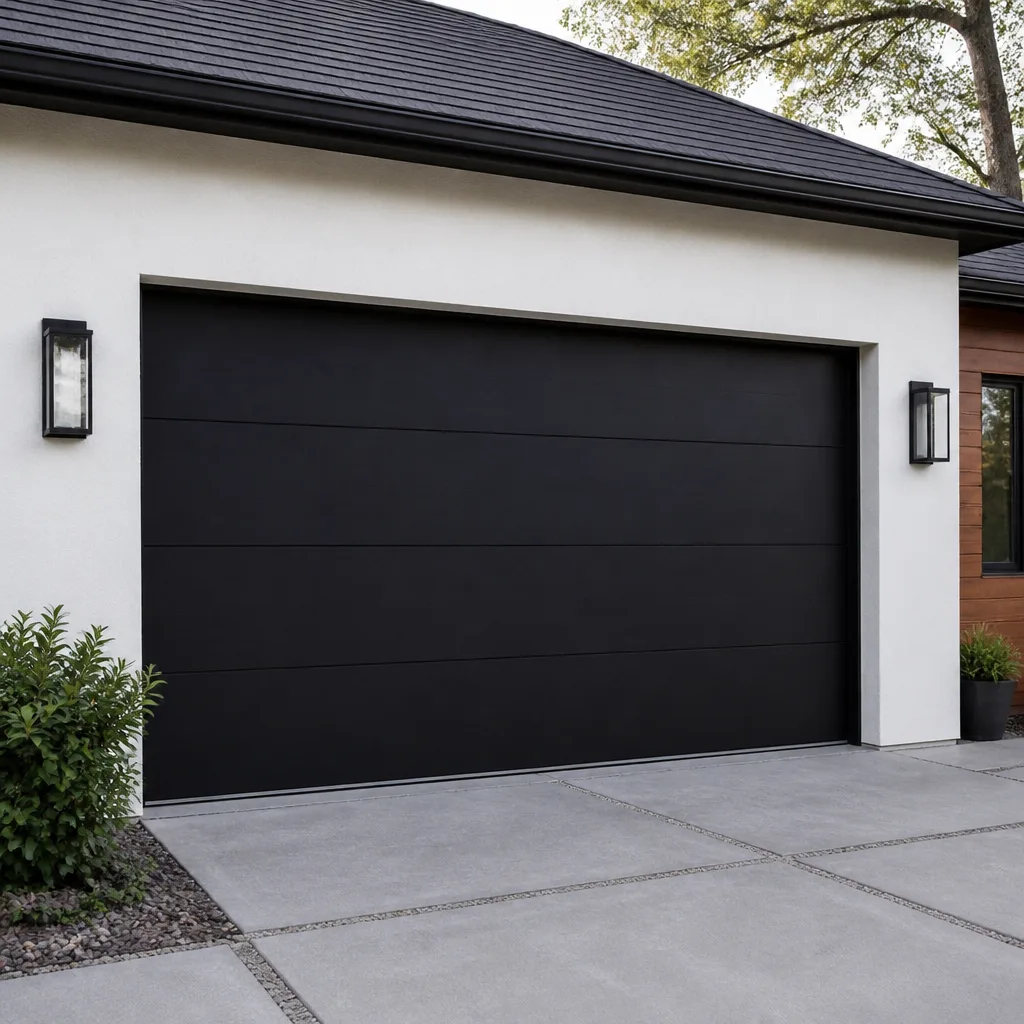 Modern flush
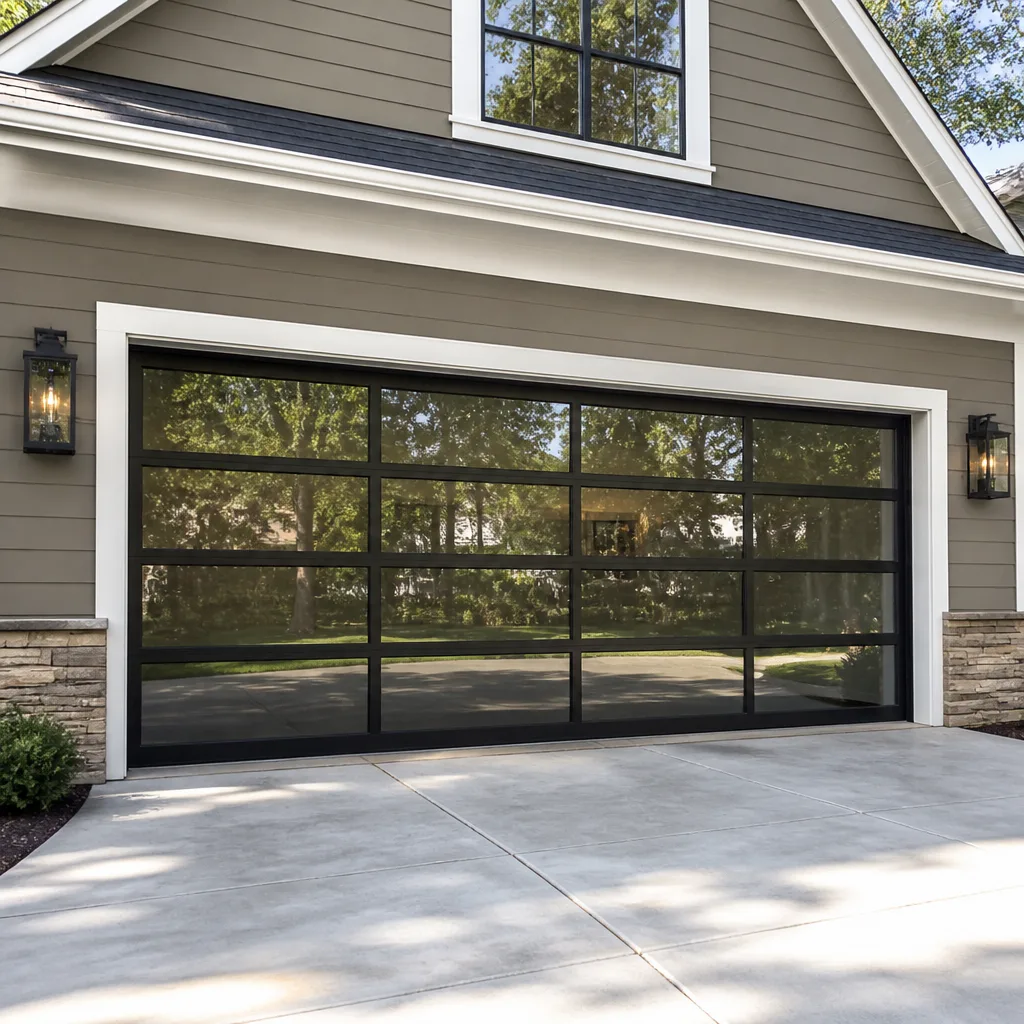 Full-view glass
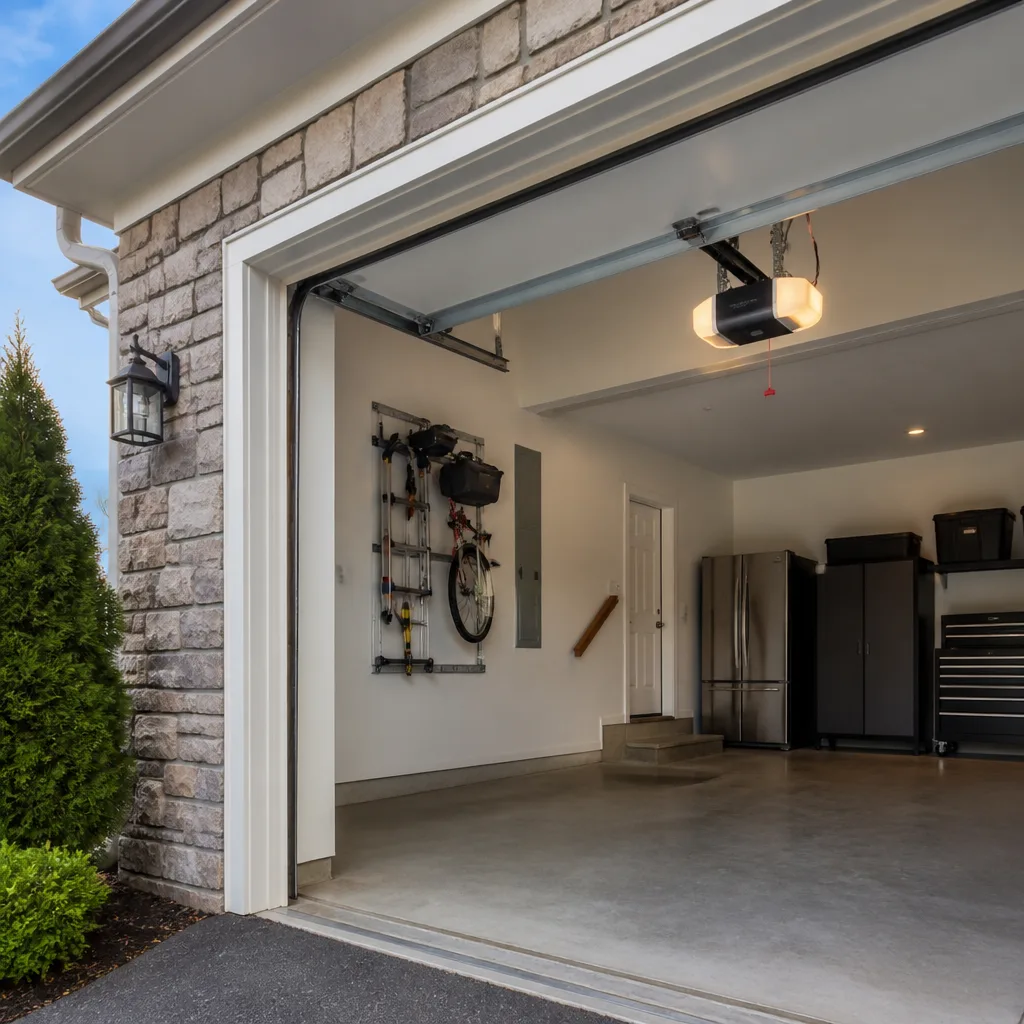 LiftMaster openers
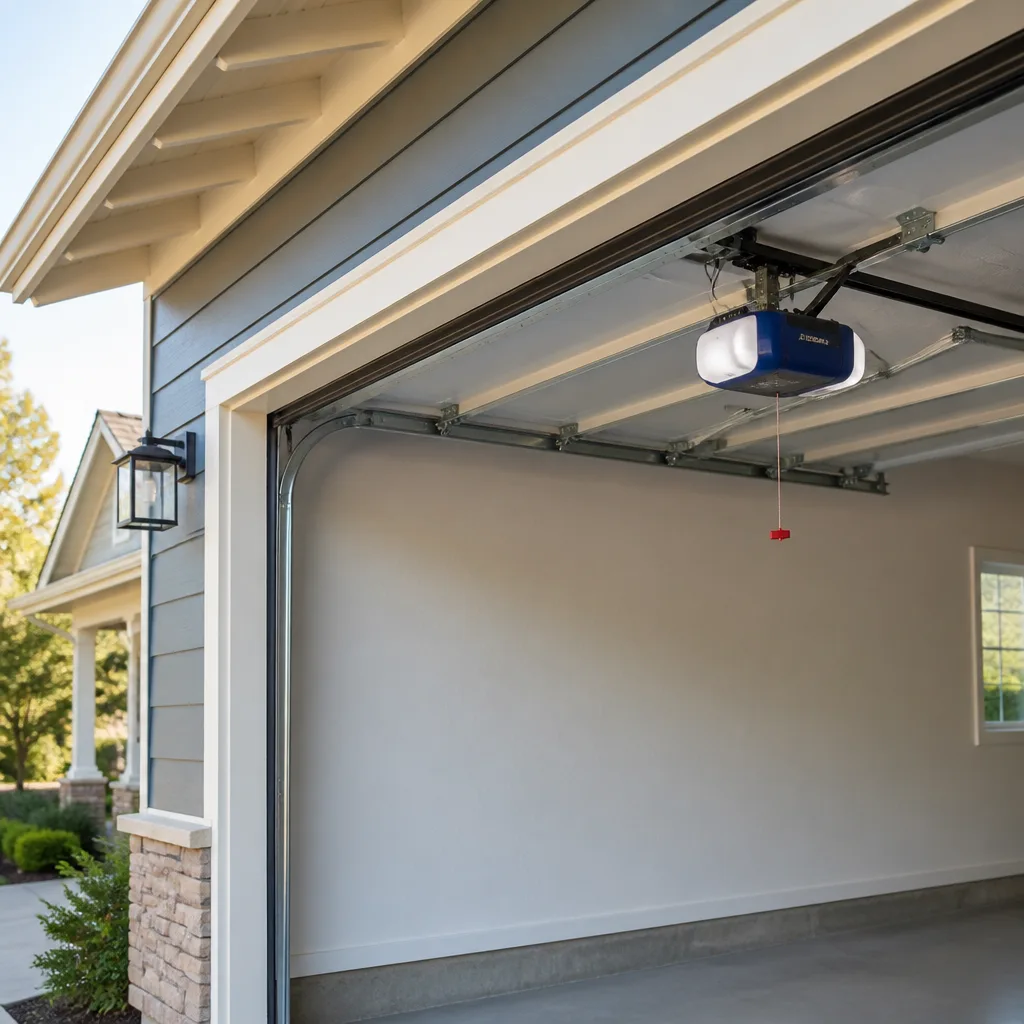 Chamberlain openers
Full 25-point door and opener safety check with every visit - springs, cables, rollers, tracks, and your LiftMaster or Chamberlain opener included
You get a price before we start. It does not change when the pro arrives.
Get your free estimateDIY vs Professional Garage Door: The Stonecrest Homeowner’s Decision Guide
Garage door springs store enough energy to cause serious injury. That’s not a liability disclaimer, it’s physics. But replacing a bottom seal, lubricating hinges, or reprogramming a keypad? Those aren’t dangerous in the slightest. The trouble is that most advice online treats every garage door task the same way, which leads homeowners in Stonecrest to either overspend on a five-minute job or take on a repair that can genuinely hurt them. This guide draws a hard line between what’s safe to handle yourself and what isn’t, with the tools, costs, parts availability, and warranty details specific to Stonecrest homes.
Quick Answer
Most garage door maintenance is safe to do yourself, but torsion spring work, cable replacement, and header bracket installation are not, and should always go to a trained technician. For the routine tasks (lubrication, seal replacement, keypad and remote programming, visual inspection), DIY saves money and carries no real risk. For anything involving stored tension or the door’s structural mounting, professional help is the only sensible option, and a written estimate in Stonecrest usually costs you nothing to get.
Styles & brands we work with
- Raised-panel steel
- Carriage house
- Modern flush
- Full-view glass
- LiftMaster openers
- Chamberlain openers
Table of Contents
- The Decision Framework: Risk Ceiling vs Skill Level
- Which Garage Door Tasks Are Actually DIY-Safe?
- The Tasks Where DIY Creates Real Injury Risk
- DIY vs Professional Cost Comparison in Stonecrest
- Parts Availability in the Stonecrest Area
- Warranty and Documentation: What DIY Can Void
- How Stonecrest Climate Affects Your Door and Your DIY Timeline
- Common Mistakes to Avoid
- When to Call a Professional
- Frequently Asked Questions
- The Bottom Line
The Decision Framework: Risk Ceiling vs Skill Level
The usual framing of the DIY question is wrong. People ask “am I handy enough to fix this?” when the better question is “does this repair have a risk ceiling I can’t recover from if I get it wrong?” Those are different questions. A homeowner with excellent mechanical skills is still not safe working on a torsion spring, because the danger isn’t about technique. It’s about stored energy that releases in a fraction of a second if a winding bar slips.
We think about garage door work in three tiers.
Tier 1: No stored tension, no structural mounting
These are the jobs where the worst possible outcome is a door that still doesn’t work and a Saturday you’ll never get back. Lubricating rollers and hinges, replacing a bottom weather seal, cleaning the photo-eye lenses, reprogramming a remote or keypad, adjusting the travel limits on an opener. No injury risk. No damage to the door if you stop halfway through.
Tier 2: Mechanical work with a fall risk or a stripping risk
Replacing a roller, tightening a loose bracket bolt, swapping a belt on a belt-drive opener. These are still manageable for a careful homeowner, but only with the door fully closed and the opener disconnected, and only with a proper ladder and a second set of hands for anything overhead. The risk ceiling here is moderate: a dropped tool, a stripped bolt, a pinched finger.
Tier 3: Stored tension, structural, or electrical
Torsion and extension springs, lift cables, the center bearing plate, the header bracket, any work on the opener’s high-voltage wiring or the circuit feeding the opener. This is where the risk ceiling goes to “permanent.” Not “expensive.” Not “inconvenient.” Permanent. A released spring or a snapping cable doesn’t give you a second attempt.
Once you sort a task into the right tier, the DIY decision becomes obvious. Tier 1 is yours to do. Tier 2 is yours with care and a helper. Tier 3 belongs to a trained technician, every time, no exceptions. Our Garage Door Repair Stonecrest team spends most of its days in Tier 3, and the calls that follow a Tier 3 DIY attempt are the hardest ones we handle.
Which Garage Door Tasks Are Actually DIY-Safe?
DIY-safe garage door work is any task that involves no stored spring tension, no lift cables, and no high-voltage electrical connection. If you can reach it from a stable step stool with the door closed, it’s probably in that category. If you have to disconnect anything under load or open a housing that holds a wound spring, it isn’t.
Here’s the full list of what any Stonecrest homeowner with basic tools can handle to save money:
- Lubricating hinges, rollers, and tracks. A few drops of a lithium-based or silicone lubricant on each hinge pivot and roller stem, twice a year, quiets a noisy door and slows wear.
- Replacing the bottom weather seal. The rubber strip along the bottom of the door. Pull the old one out of its channel and slide the new one in. A five-minute job.
- Cleaning the photo-eye lenses. The two small sensors near the floor on either side of the opening. A dirty lens is behind a surprising share of “my door won’t close” complaints.
- Reprogramming remotes and keypads. Every opener brand has a pairing sequence, and it’s in your manual or on the manufacturer’s site.
- Adjusting opener travel limits and force settings. Modern openers have dials or a menu for this. It’s a matter of watching the door and making small adjustments.
- Replacing a light bulb in the opener housing. Check your manual for the correct bulb type; some openers don’t like LEDs.
- Visual inspection. Stand inside the garage with the door closed. Look at the springs, cables, rollers, and hinges. Any visible gap in a spring coil or fraying on a cable means stop and call.
- Tightening a loose bolt on a track bracket. If a bracket has worked loose and the bolt is accessible with the door down, snugging it up is fine.
“Basic tools” in this context means: a socket set, a set of screwdrivers, an adjustable wrench, a step ladder with a stable base, a pair of work gloves, and safety glasses. That’s it. If a task needs a winding bar, a cable puller, or a spring gauge, it’s not DIY. Those tools are for technicians, and buying them for one job costs more than the repair.
What to check before you start any DIY job
- Close the door completely.
- Pull the red emergency release handle so the opener is disconnected from the door.
- Look at the springs and cables before you touch anything else. If a spring is broken or a cable is frayed, stop and call a professional for garage door spring repair.
- Put on safety glasses and gloves.
- Work from a step ladder with all four feet on solid ground, not a chair, not a bucket.
- Never reach over your head with a tool in one hand while balancing on the other.
The Tasks Where DIY Creates Real Injury Risk
Torsion spring work, lift cable replacement, and header bracket installation are the three garage door jobs that should never be DIY, because each one can cause an injury that a YouTube tutorial cannot prepare you for. The video makes it look controlled. The reality is a spring that stores several hundred pounds of force in a coil no thicker than your finger.
Torsion spring replacement and adjustment
A torsion spring sits on a steel shaft above the door and winds tight to counterbalance the weight. Winding it requires two solid steel bars inserted into the collar. If a bar slips while you’re winding, the spring unwinds in a fraction of a second and the bar becomes a projectile. The same applies to extension springs mounted above the tracks. These are the repair jobs that send homeowners to the emergency room, and they’re the ones we do most often. We handle springs as a specialty, not a side job, and we carry the exact spring for your door’s weight and size.
Lift cable replacement
The cables run from the bottom corners of the door up through the drums at the top. They’re under tension at all times. A cable that snaps while you’re handling it can whip across the garage. The correct procedure involves unloading the spring first, which puts you right back in Tier 3. Cables also need correct spooling on the drum; a miswound cable will bind and drop the door.
Header bracket installation and relocation
The header bracket is what holds the entire opener rail and the weight of the door’s push-pull force. It has to be lagged into structural framing, not drywall, not sheathing. If you mount it into the wrong material, the force of the opener pulling the door up can rip it out and the opener arm can come down. In Stonecrest homes where the garage is finished and the framing is behind drywall, finding the right anchor point is a job for someone with a stud finder and experience reading a wall.
Electrical work on the opener circuit
If your opener needs a new circuit, a new outlet, or a repair to the wiring feeding it, that’s an electrician’s job. Garage door openers run on household current, and getting it wrong is a shock and fire hazard. The low-voltage side (safety sensors, wall button, remote pairing) is safe to touch.
We can’t say this strongly enough: if your door’s symptom points to a spring or a cable, stop. Don’t try to “just check” by lifting the door by hand. Call a professional, and one who does this work every day. The garage door repair calls we take after a DIY spring attempt are always longer and more expensive than the original repair would have been.
DIY vs Professional Cost Comparison in Stonecrest
Some DIY garage door repairs cost less than a professional visit. Most don’t, once you count the parts, the tools, and the risk of a second repair. Here’s how the common jobs compare for a Stonecrest homeowner.
| Job | DIY Cost (approx.) | Professional Estimate | Verdict |
|---|---|---|---|
| Bottom weather seal replacement | $25 – $50 for the seal | $90 – $150 installed | DIY is reasonable |
| Lubrication and tune-up | $10 – $20 for lubricant | $80 – $150 | DIY is reasonable |
| Remote or keypad programming | $0 (manual) | $60 – $110 service call | DIY |
| Safety sensor alignment or replacement | $20 – $40 for a sensor pair | $90 – $160 | DIY is possible, professional is easier |
| Roller replacement (all rollers) | $40 – $90 for a set | $150 – $250 | DIY with care, but the door must be unloaded |
| Single torsion spring replacement | Not advisable | $180 – $340 | Professional only |
| Matched pair of torsion springs | Not advisable | About twice the single-spring estimate | Professional only |
| Lift cable replacement | Not advisable | $150 – $300 | Professional only |
| Opener replacement (unit + install) | $150 – $300 for a unit | $350 – $650 installed | Professional is usually worth it |
These are typical estimates, not quotes. The written estimate we provide after looking at your door is the price you pay.
The real cost of a DIY failure
The number most people don’t factor in is the cost of undoing a DIY attempt. If you start a spring job and stop halfway, a technician now has to unwind whatever you wound, inspect for damage, and then do the original repair. That’s a longer job than the one you started with. Same story on a cable: a miswound cable can bind and damage the drum, and now you’re replacing both. Same on a header bracket pulled out of drywall, where the technician has to open the wall to reach framing. The savings on a DIY repair only hold if it works the first time, and on Tier 3 work it usually doesn’t.
Professional pricing includes the parts, the labor, the tools, and the fact that the technician carries the liability. It also means a fix that’s designed to last, rather than getting you through the week.
Parts Availability in the Stonecrest Area
Some garage door parts are easy to source locally in Stonecrest, and some require a specialty supplier or a technician’s stock. Knowing which is which saves you a frustrating round of phone calls.
Easy to find locally
- Bottom weather seals and side seals, in most common widths, from hardware stores and home centers
- Universal lubricants and silicone spray
- Photo-eye sensor pairs and wire
- Basic steel rollers
- Standard remotes and keypads for the major brands (LiftMaster, Chamberlain, Genie, Craftsman)
- Replacement light bulbs and batteries
Harder to find, and often job-specific
- Torsion springs. A spring has to match your door’s weight, height, and cycle rating. Buying a “close enough” spring off a shelf is how doors end up unbalanced or fail early. This is why our technicians measure the door and match the spring before they leave the shop.
- Lift cables. Cable length and drum fit are specific to the door. Generic kits exist, but fitting them correctly is the hard part.
- Openers. Most home centers stock one or two models. If your home has a Clopay, Amarr, Wayne Dalton, or Raynor door with a specific opener setup, ordering the right unit for the existing rail or header arrangement is a specialty order.
- Panels and sections. A single damaged section of a Clopay or Amarr door isn’t shelf stock. It’s ordered to match the profile and color, which is why panel replacement has a lead time.
- Brand-specific opener parts. Logic boards, gears, and belt kits for Genie, Craftsman, and Chamberlain systems are usually a specialty order.
In our experience in Stonecrest, the parts question is what most often tips a homeowner toward a professional. Not the skill. The fact that the right part for their specific door isn’t on a shelf within driving distance, and a wrong part makes the problem worse.
Warranty and Documentation: What DIY Can Void
DIY work on a system still under manufacturer warranty can void the coverage on the parts you touch. This is one of the most overlooked costs of doing it yourself, and it’s easy to avoid.
Garage door openers from LiftMaster, Chamberlain, Genie, and Craftsman typically carry a warranty on the motor and on the electronics. Garage doors from Clopay, Amarr, Wayne Dalton, and Raynor carry warranties on the panels, the finish, and sometimes the springs. Those warranties usually have language requiring installation or repair by a professional, or excluding damage caused by improper installation. If you replace a spring yourself and the door later fails at a hinge, the manufacturer can point to your repair as the cause and decline the claim.
Documentation matters too. If you ever sell your Stonecrest home, a buyer’s inspector will ask about the garage door. A file showing professional repairs, with dates and part details, answers those questions. A door with a DIY spring swap and no paperwork raises them.
What to keep when a professional does the work
- The written estimate, with the parts and labor broken out.
- The receipt or invoice after the job.
- The brand and model of any part replaced (the technician should record this).
- Any manufacturer warranty card or registration for a new opener or door.
We keep records of every opener and door we install, and we can tell you the model of a unit we worked on previously if you call us. That’s part of what you get when a professional handles the job.
How Stonecrest Climate Affects Your Door and Your DIY Timeline
Stonecrest’s summers are hot and humid, with afternoon thunderstorms that bring wind-driven rain under the door and into the tracks. Winters are mild, but the temperature swings between a warm afternoon and a cold morning are enough to cycle a garage door dozens of times in a week. Both of those have a direct bearing on what needs doing and whether it’s safe to do yourself.
Humidity and the parts that wear faster
The humidity in a Stonecrest summer works on steel rollers, hinges, and the torsion spring itself. Rust on a roller stem or a hinge pivot is one of the most common things we see, and it’s also one of the easiest DIY fixes. A few drops of lubricant on each hinge and roller, twice a year (once before summer, once before winter), keeps the rust from seizing them. The bottom seal is the other one. Heat and humidity crack the rubber faster here than in drier climates, and a cracked seal lets rain under the door, which finds its way to the tracks and the bottom panel.
Storm-driven rain and the bottom seal
When a summer thunderstorm drives rain sideways, the bottom seal and the side seals are what keep the garage dry. If you’ve noticed a wet floor line after a storm, the seal is the likely culprit. That’s a Tier 1 DIY job, and it’s worth doing before the rainy stretch rather than after.
Temperature swings and the opener
An opener that strains on a cold morning or clicks without moving is a common call in Stonecrest in the winter. The force setting and the travel limits can drift with temperature, and adjusting them is a Tier 1 job for most modern units. If adjusting doesn’t fix it, and the door still binds, the problem is usually in the door’s balance (springs) rather than the opener, and that’s a professional call for garage door opener repair.
One more Stonecrest note: the region gets afternoon thunderstorms with lightning in the summer, and a nearby strike can take out the logic board on an opener. That’s a Tier 3 electrical repair. Don’t open the housing to check. Call a technician.
Common Mistakes to Avoid
- Treating a spring like a “check it and see” job. If a spring looks broken or the door feels unusually heavy, don’t try to lift the door by hand to see how bad it is. The spring is the only thing holding the door’s weight; without it, the door can drop.
- Buying a “close enough” spring off a shelf. A spring has to match the door’s weight and height. A wrong-size spring leaves the door unbalanced and can cause early failure. This is particularly common in Stonecrest homes where the original spring has been replaced once already with a mismatched one.
- Mounting a header bracket into drywall. Drywall holds paint, not a door’s push-pull force. If you’re relocating an opener, the bracket has to be lagged into framing, and finding the framing is the whole job.
- Lubricating the tracks with grease or oil. Tracks should be clean and dry. Grease attracts dust and gum, and a gummed-up track causes the door to bind. Use a silicone spray on the rollers and hinges, not the tracks.
- Adjusting the force setting to make a binding door “work.” If the door binds, the opener’s force setting will let the motor push through it, and that means the opener is now straining against a mechanical problem. Find the bind, don’t override it.
- Ignoring a frayed cable because the door still works. A cable with a broken strand is a cable that’s about to fail. It won’t announce itself with a bang until it does.
- Disconnecting the opener and forgetting to reconnect it. If you pull the red release handle for a repair, remember to reset it. A door left disconnected drops on whoever opens it next.
When to Call a Professional
Call a professional for anything that involves a torsion spring, a lift cable, the header bracket, or the opener’s electrical circuit. Also call if the door won’t stay balanced when you lift it halfway and let go, if it comes down crooked, if a cable is frayed or has come off the drum, if the opener runs but the door doesn’t move, or if the door’s panels are separating from the frame. In Stonecrest, a door that’s out of balance is usually a spring problem, and it’s the repair that most benefits from a trained hand. Our technicians have up to 12 years of experience with torsion and extension systems, and we carry the right spring for your door. Garage Door Repair Stonecrest offers free estimates in Stonecrest. Call (855) 604-8729 and we’ll tell you what the job involves and what it should cost before we start. The price we quote is the price you agree to before any work begins.
Frequently Asked Questions
No, garage door spring replacement is not a safe DIY job, and we strongly advise against it. A torsion spring stores enough energy to cause serious injury if a winding bar slips, and the same is true of extension springs. This is the repair we most often see started and abandoned, and the professional repair afterward is longer and more expensive than if a technician had done it from the beginning. Call (855) 604-8729 for a free estimate on spring repair.
A single torsion spring repair in Stonecrest typically runs $180 to $340, and a matched pair is usually replaced together, so a pair costs about twice that. The price depends on the spring size, the door’s weight, and whether the spring is a standard or heavy-duty cycle. We quote the job before we start, and the written estimate is the price. Call (855) 604-8729 and we’ll give you a free estimate.
Yes, lubricating hinges, rollers, and the spring (with the door closed and the opener disconnected) is a safe DIY job. Use a lithium-based or silicone lubricant, a few drops per hinge pivot and roller stem, twice a year. Don’t lubricate the tracks. If you’re not sure whether a roller or hinge is worn out rather than just dry, ask a technician to check it during your next service call.
DIY work on a garage door or opener can void the manufacturer warranty on the parts you touch, and most manufacturers require professional installation or repair for a warranty claim. If your door is still under warranty, check the paperwork before doing anything beyond basic cleaning and lubrication. If you’re not sure, call us and we can tell you what the warranty typically covers. Call (855) 604-8729 for a free estimate.
Replacing an opener is a moderate DIY job for someone comfortable with the mechanical side, but the electrical connection and the door’s balance adjustment should be handled by a professional. If the opener is a modern LiftMaster or Chamberlain unit wired into a smart-home system, getting the pairing and the travel limits right takes experience. Our technicians work on all the major brands, including Craftsman and Genie, and we can install one or repair the one you have. Call (855) 604-8729 for a free estimate.
A homeowner should keep a socket set, screwdrivers, an adjustable wrench, a stable step ladder, work gloves, safety glasses, and a can of silicone or lithium lubricant. That covers all the Tier 1 DIY jobs on this list. If a repair requires a winding bar, a cable puller, or a spring gauge, it’s a professional job. Call (855) 604-8729 for a free estimate if you’re not sure which category your repair falls into.
The Bottom Line
The DIY-versus-professional question for a garage door comes down to one thing: stored energy. If a repair involves a spring, a cable, or a structural mount, the right answer is a trained technician, every time. If it involves a seal, a hinge, a sensor, or a keypad, it’s yours to do. The line between the two isn’t about how handy you are. It’s about whether getting it wrong is recoverable. For Stonecrest homeowners, the cost of a professional spring repair is a fair price for a job that’s genuinely dangerous to do alone, and the free estimate means you can find out the number before you decide. Everything else on the door, from the weather seal to the light bulb to the remote, is yours to handle and yours to save on.
Contact
If your door has a spring or cable problem, or you’d rather have a professional look at it than guess, call Garage Door Repair Stonecrest at (855) 604-8729 for a free estimate. We work on Clopay, Amarr, Wayne Dalton, Raynor, and all the major opener brands, and we’ll tell you exactly what the job involves before any work starts. Same-day and emergency service available when your door won’t move, so you’re not stuck waiting.
Written by the team at Garage Door Repair Stonecrest.
See the difference
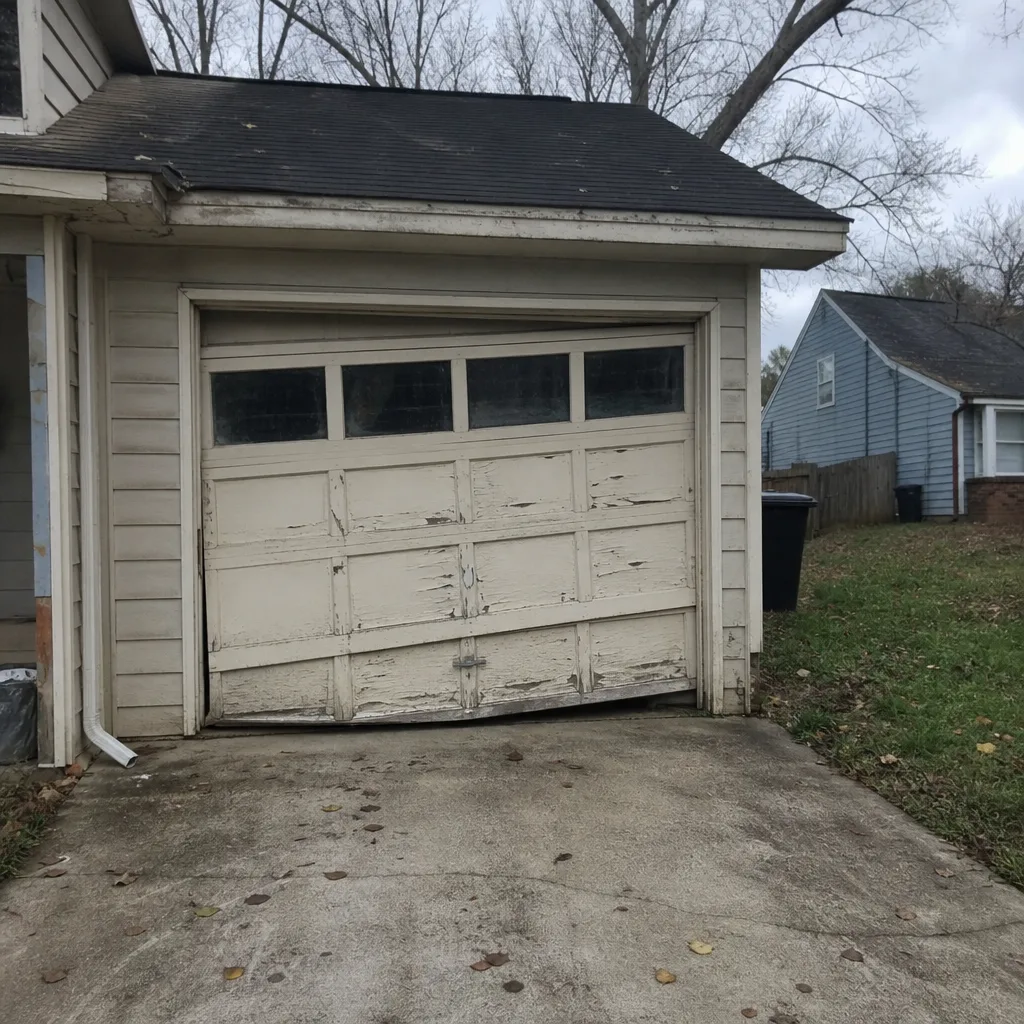 Before
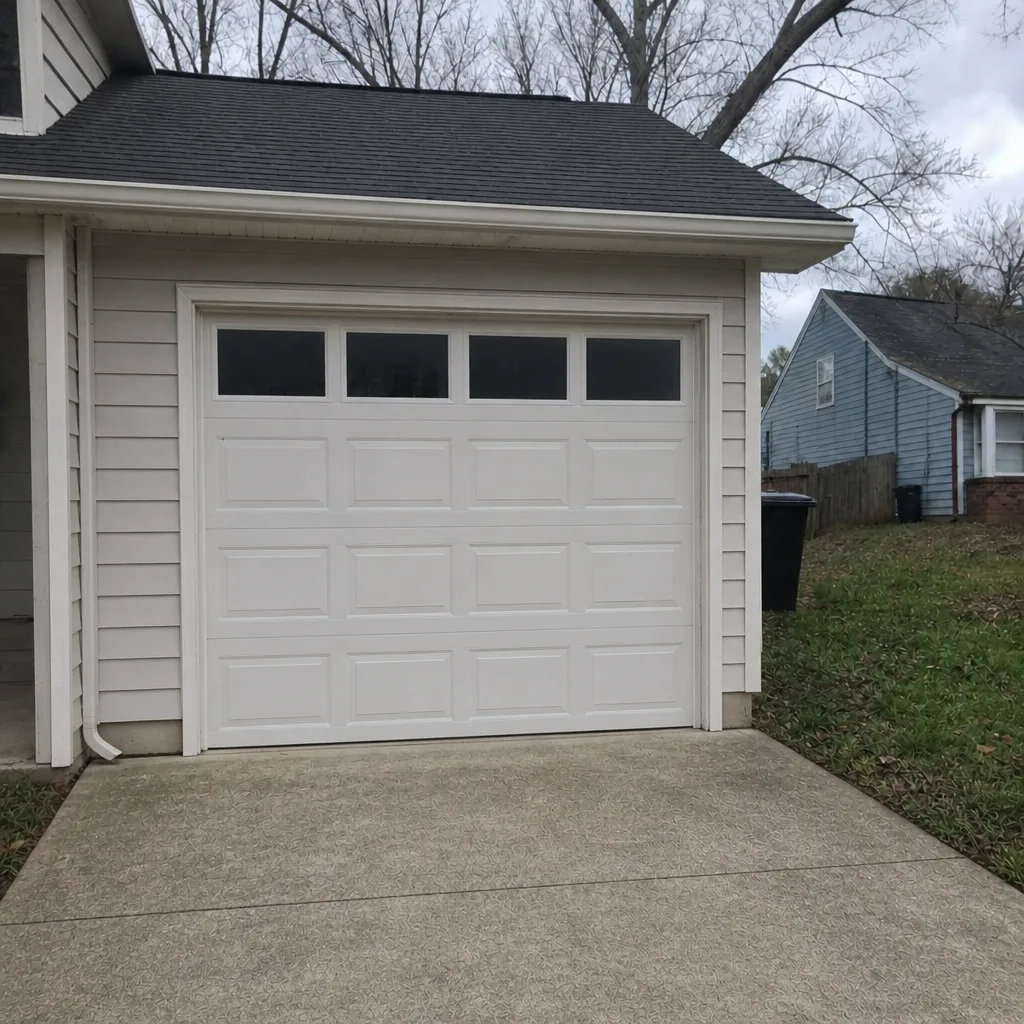 After
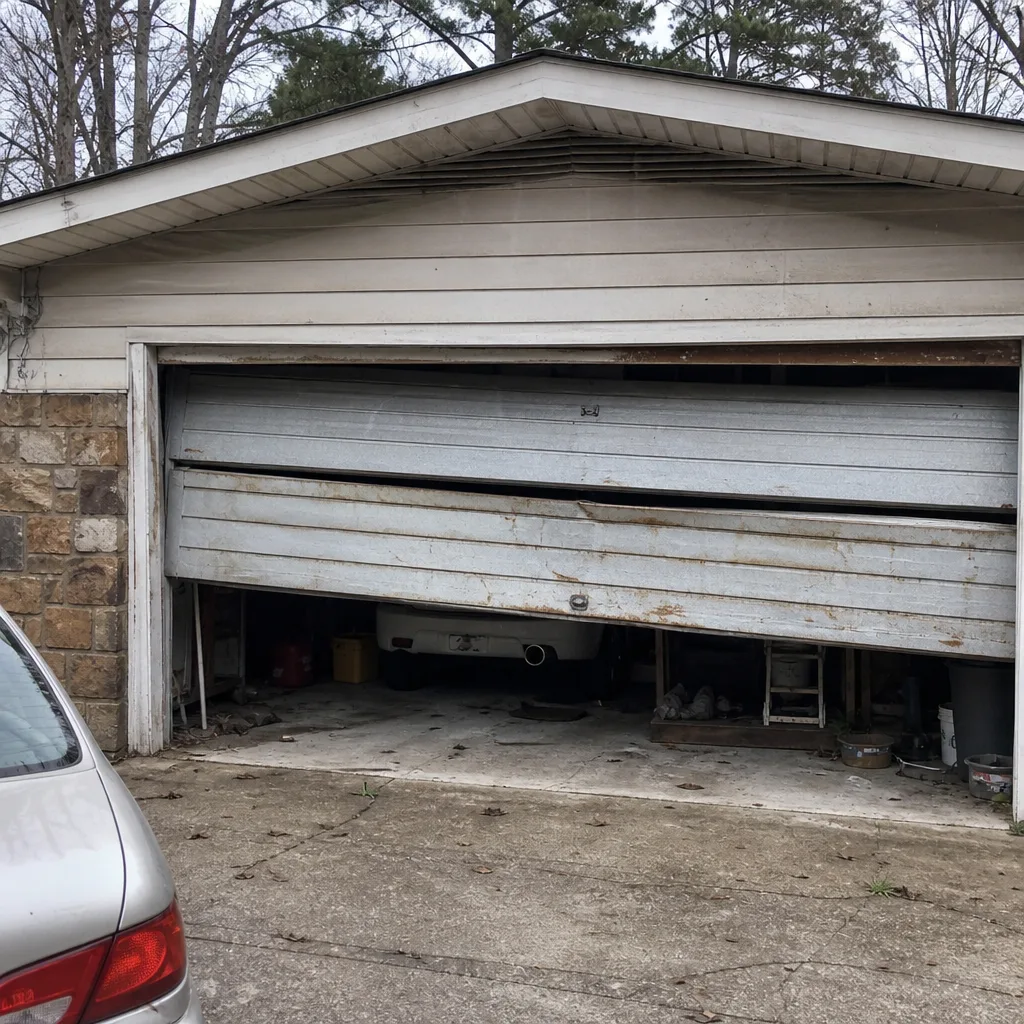 Before
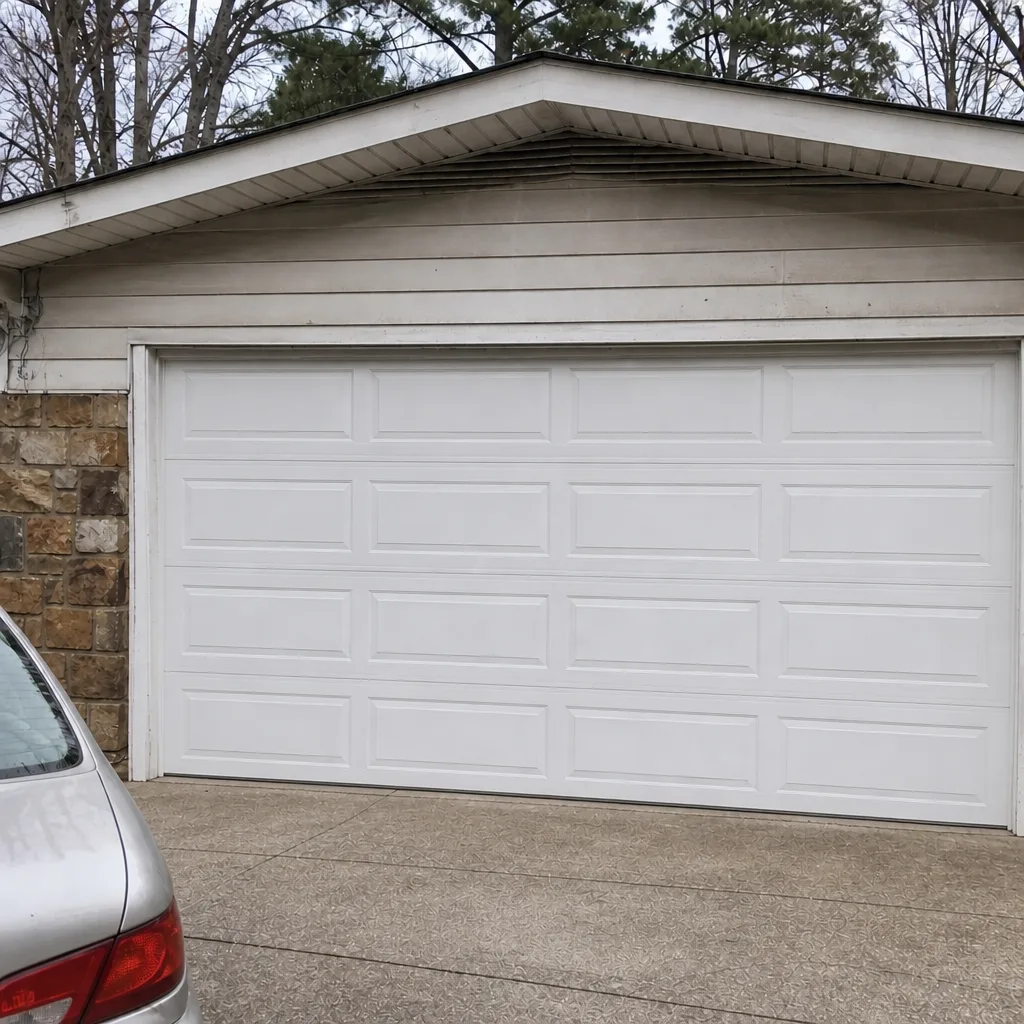 After
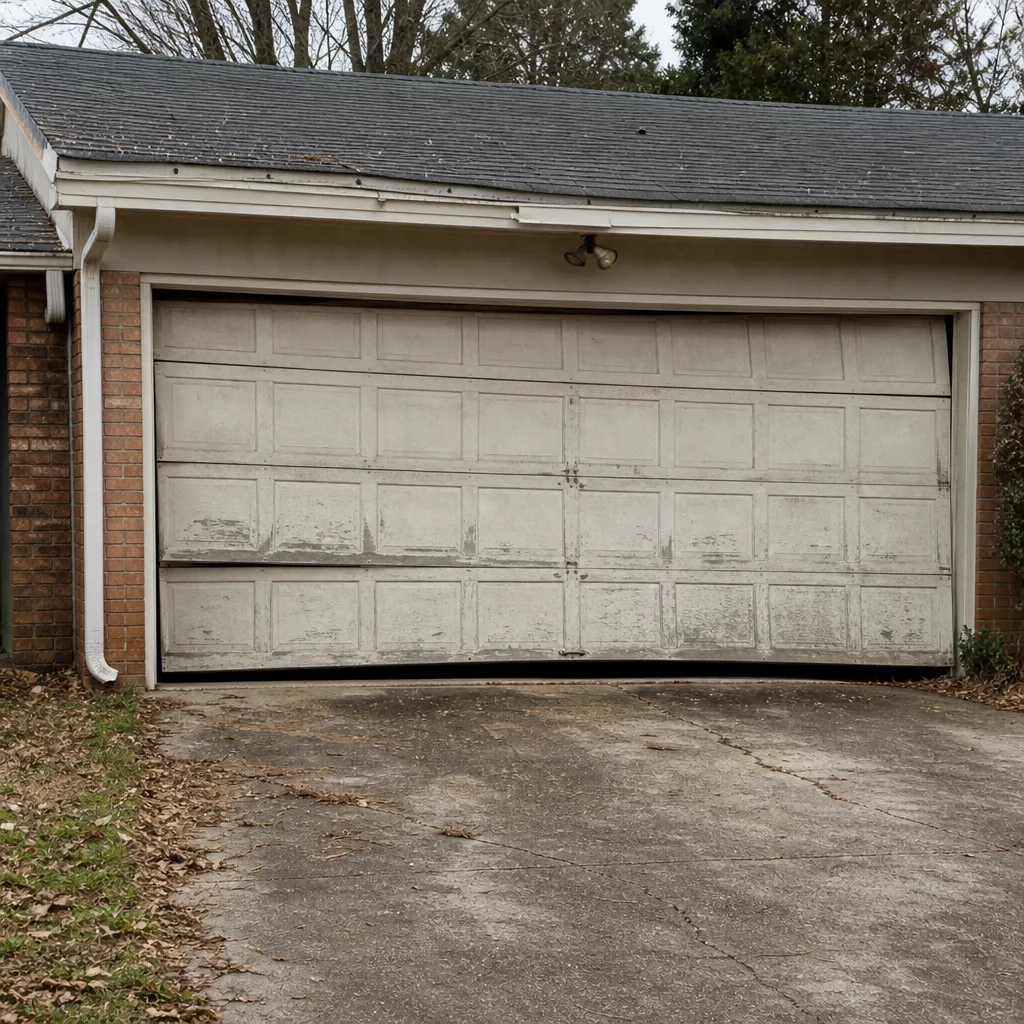 Before
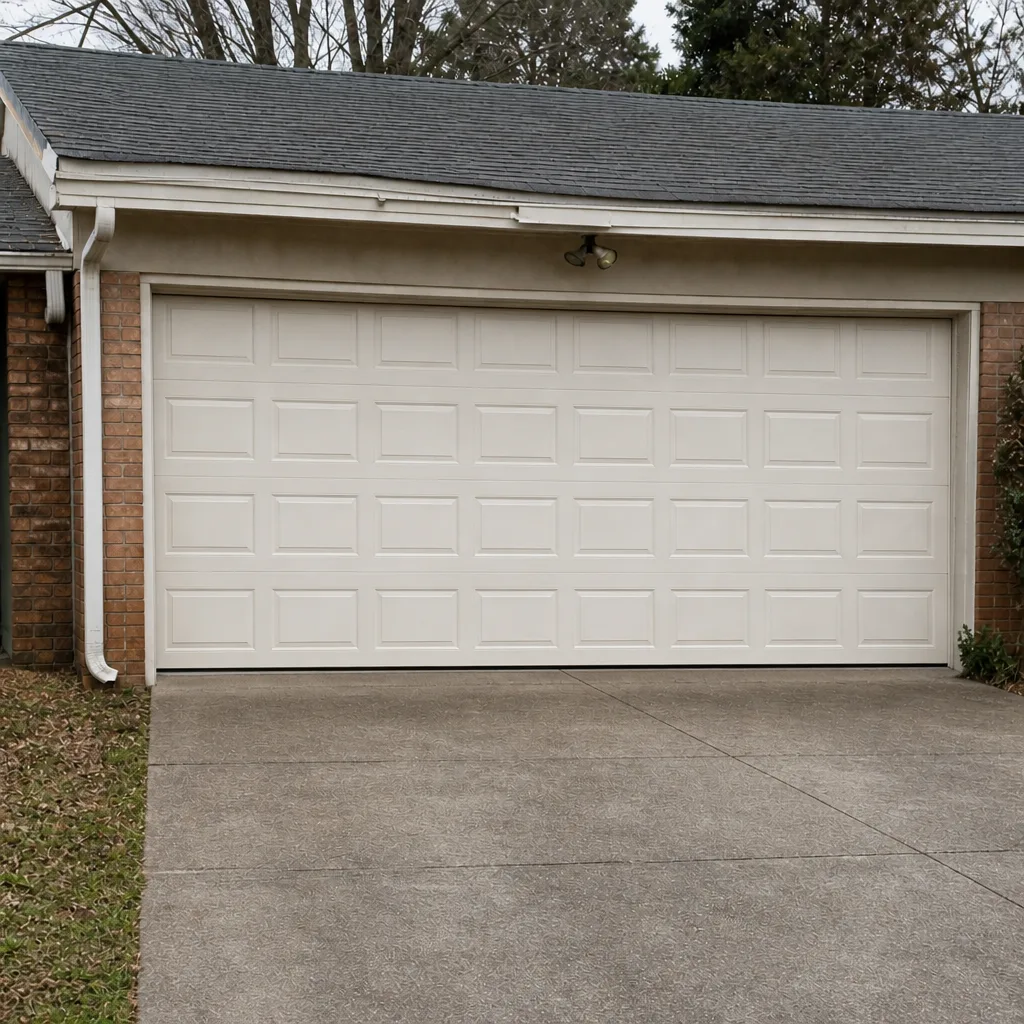 After